a journey from analog to digital photography
A — Aperture
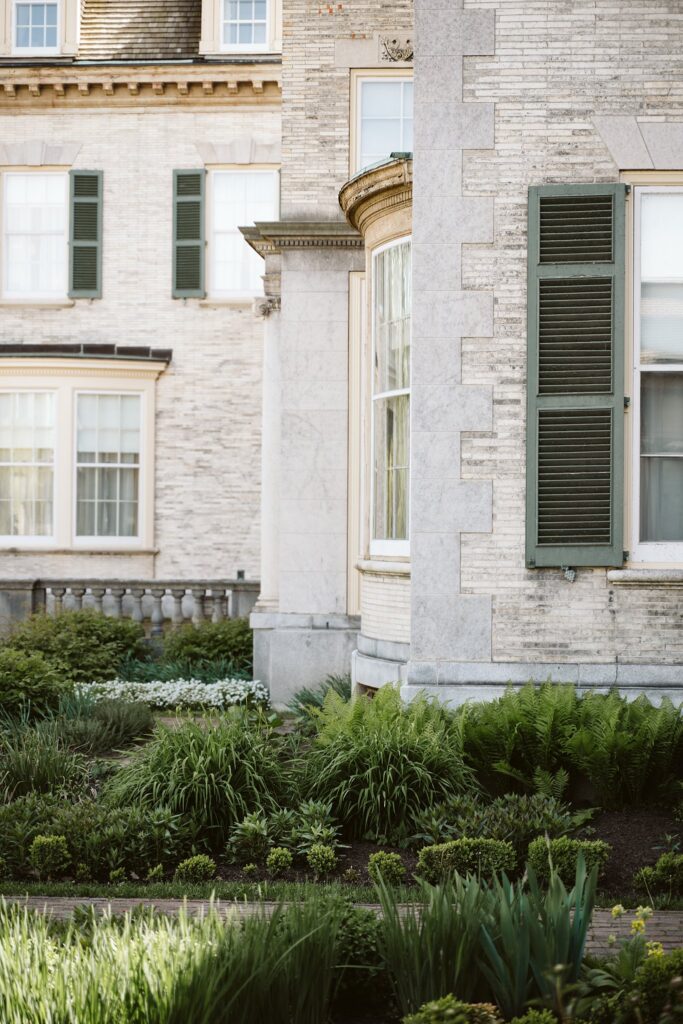
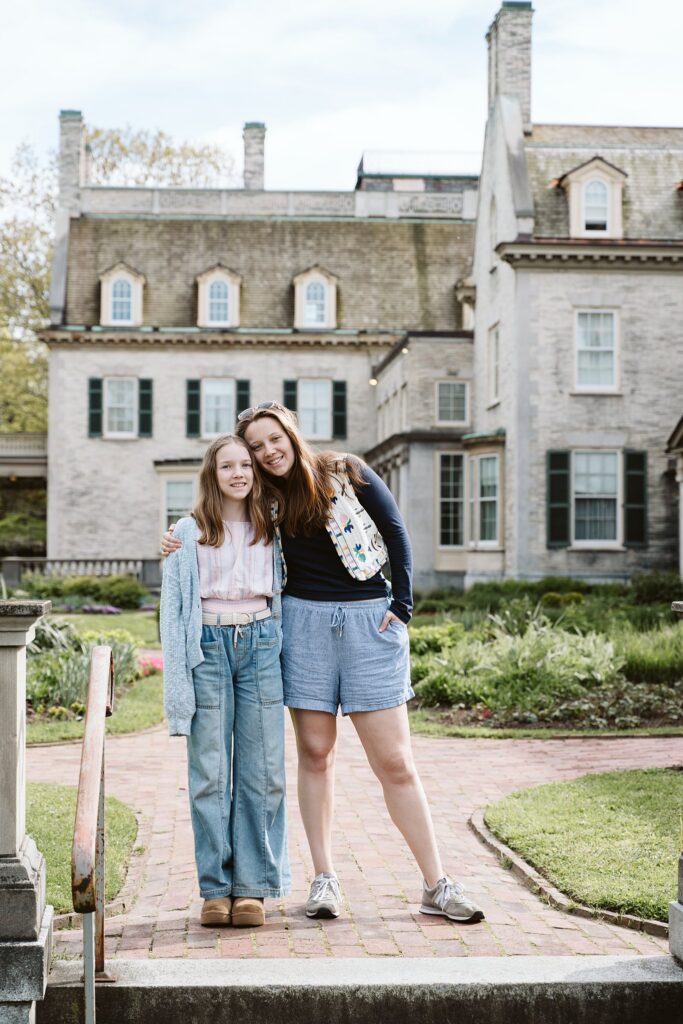
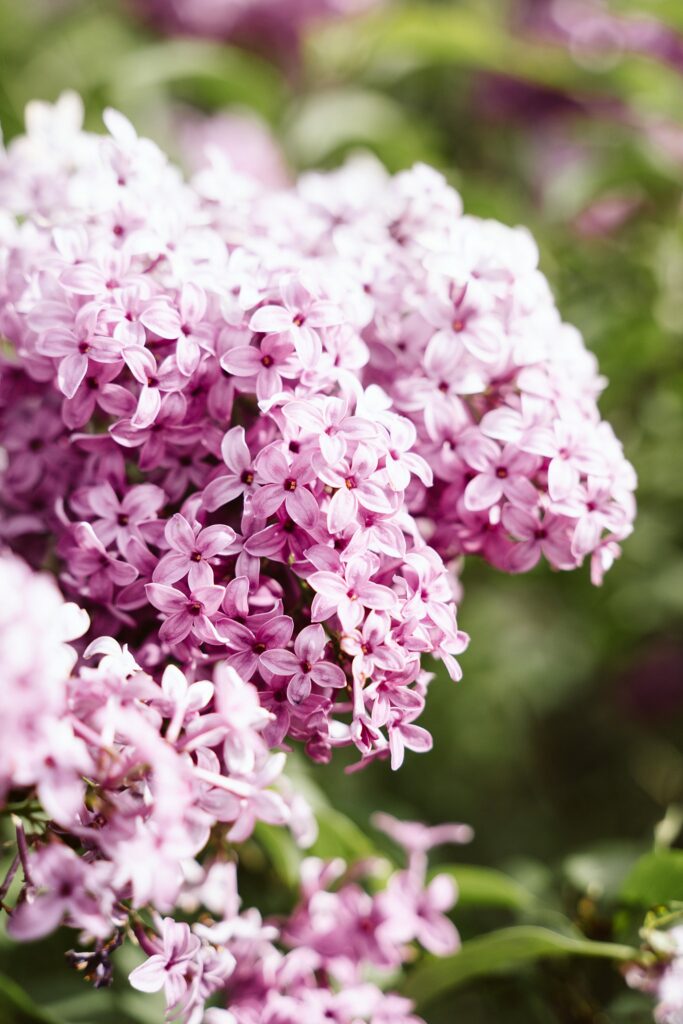
The “iris” of the lens. It adjusts how much light you choose to let in, which directly controls your depth of field. When you open it wide, that depth becomes shallow—the background falls away into a soft blur, leaving only your subject sharp and standing out in the frame.
B — Bokeh
The dancing, soft circles of light in the background. It’s the visual equivalent of a whisper—it doesn’t shout for your attention, but it makes the whole scene feel like a dream.
C — Composition
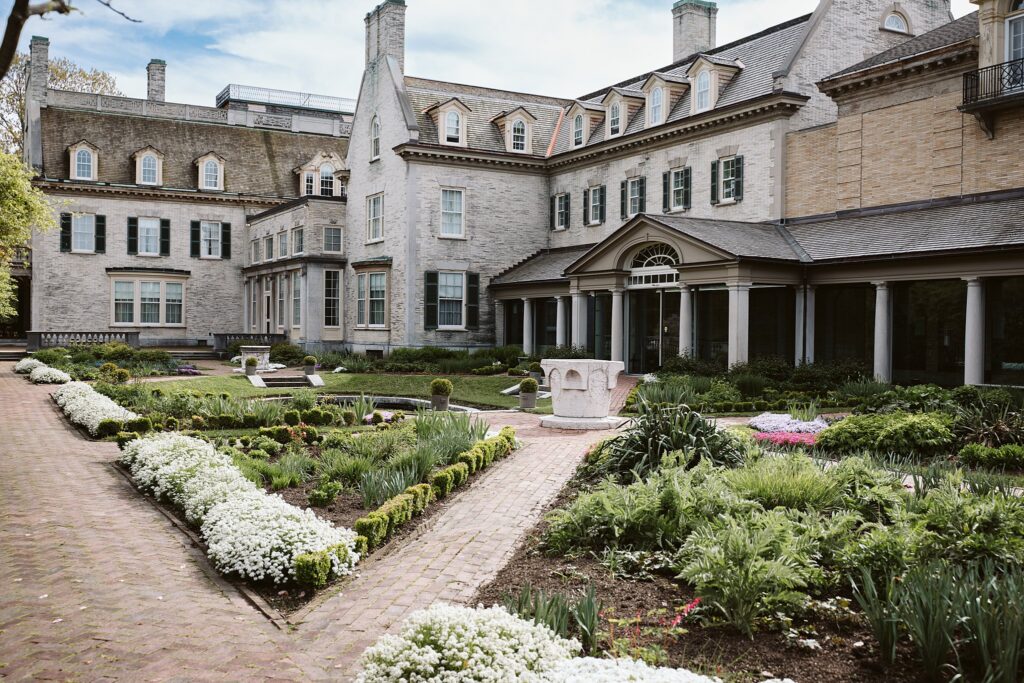
This is where the storytelling begins. It’s the art of deciding what stays in the frame and what is left out. Sometimes, the most powerful part of a photo is the space you leave empty.
D — Darkroom
The place where I learned the fundamentals. Working with film at Pittsburgh Filmmakers taught me that photography is a hands-on craft. There is no undo button in a darkroom; you just have to slow down, pay attention, and make your decisions count during the process.
E — Exposure
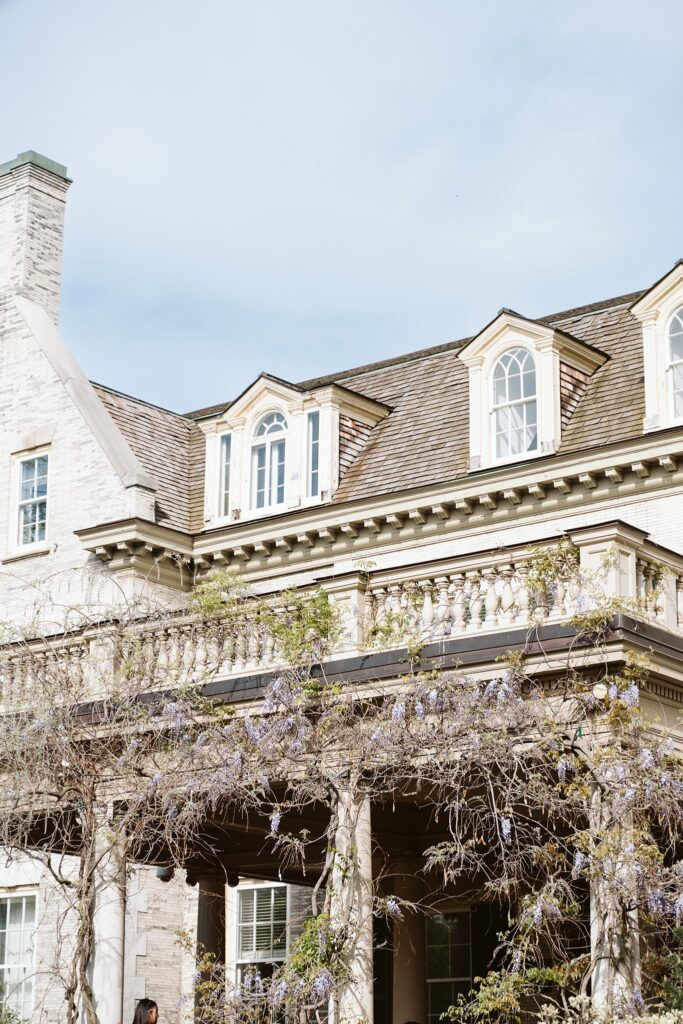
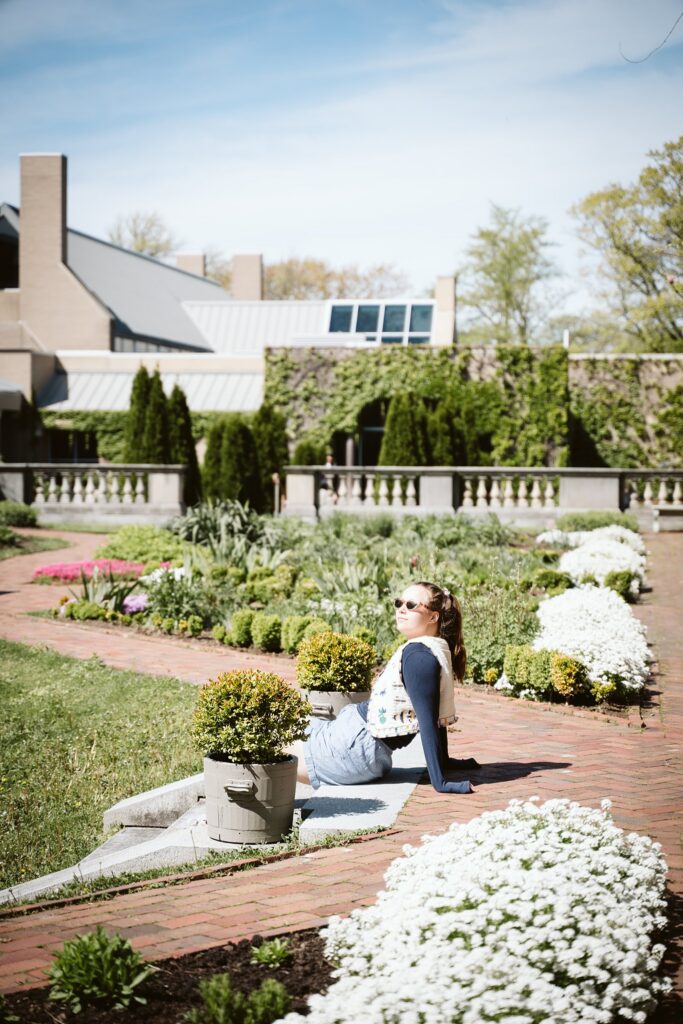
The delicate balance of aperture, shutter speed, and ISO. It’s a bit like life—change one thing, and you have to adjust everything else to keep the light just right. If you open your aperture to let more light in, you have to speed up your shutter or lower your ISO to balance it out. Mastering this trio gives you complete control over how your image looks.
F — Focal Length
A lower number like 35mm gives you a wide view of a space, while a higher number like 85mm isolates your subject. Focal length dictates how you choose to frame the story.
G — Golden Hour
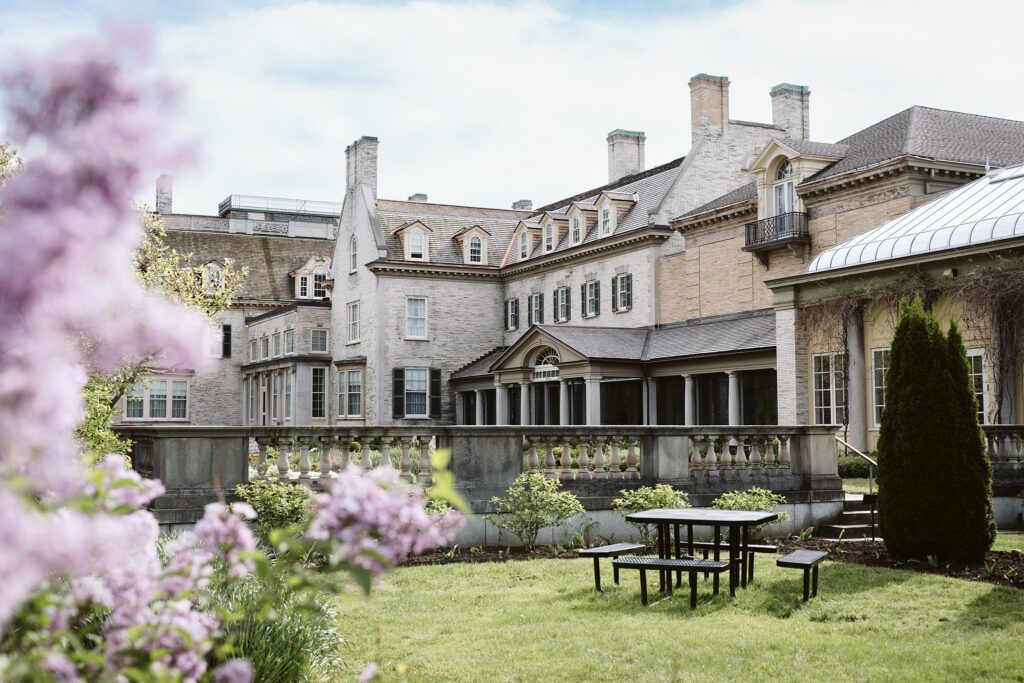
The window of time just before sunset or right after sunrise. The light softens, turns warm, and makes everything look beautiful. It is my favorite time to shoot because the long shadows and warm glow create a natural, gentle feeling.
H — Histogram
The little “mountain range” on your camera screen. It’s a simple graph that shows you exactly where your highlights and shadows are landing. It takes the guesswork out of the exposure, letting you know instantly if you’ve accidentally lost any details.
I — ISO
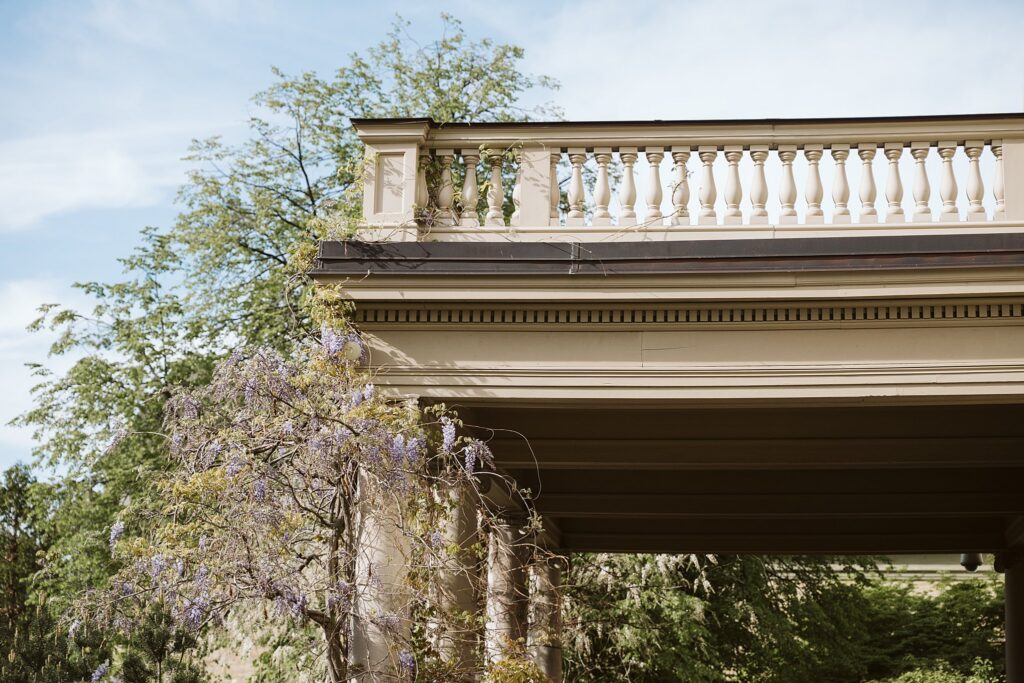
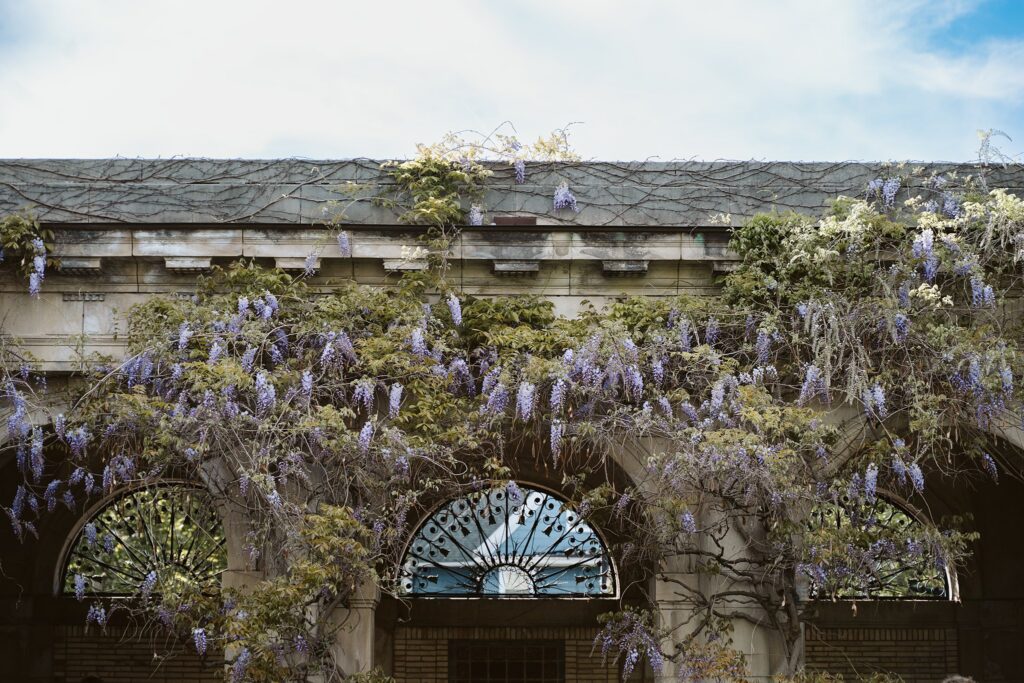
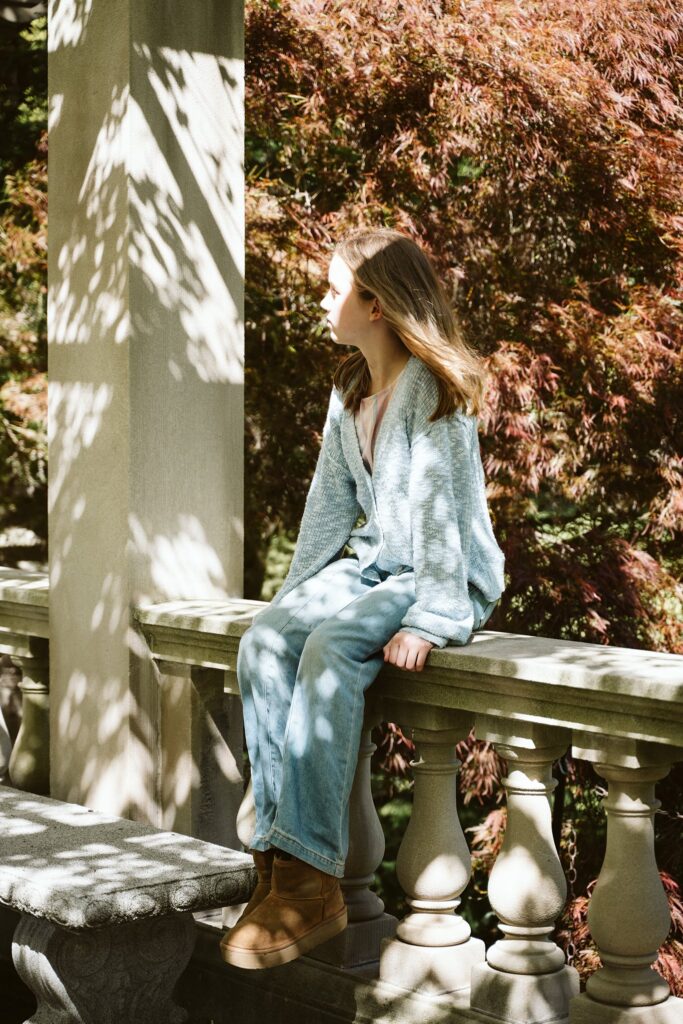
The camera sensor’s sensitivity to light. I try to keep it as low as possible to keep the images clean and sharp. But when a room is dark or as the sun goes down, raising the ISO is what allows the camera to see in the dark and still capture the moment.
J — JPEG
The standard, finished photo file. I shoot in RAW to keep all the original details that the sensor captures. Once I finish editing an image, I export it as a JPEG to make it ready to share.
K — Kodak
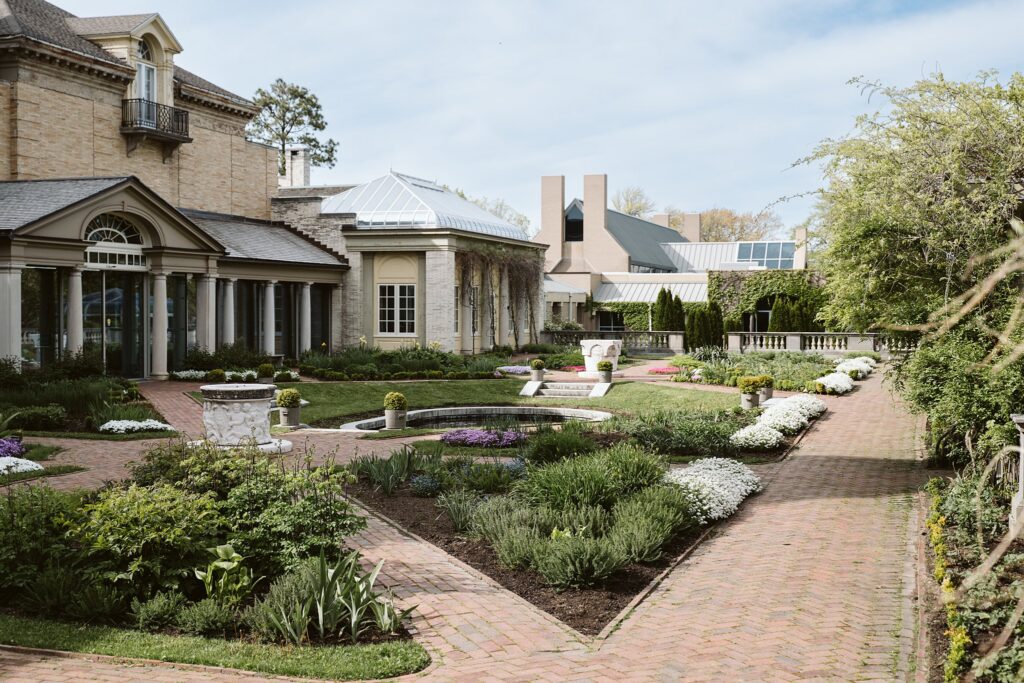
The name that started it all. Back when I worked at Ritz Camera, I sold more yellow boxes of Kodak Gold than I could count. But for my early wedding work, I only trusted Kodak’s Portra film because of the natural, warm way it captured skin tones.
L — Long Exposure
Leaving the camera shutter open for a few seconds or even minutes. It lets you capture the passage of time in a single frame, turning moving water into a smooth mist or passing cars into clean lines of light.
M — Manual Mode
Taking full control of the camera settings rather than relying on automatic modes. Balancing the aperture, shutter speed, and ISO manually gives one complete control over the exposure, ensuring that every creative decision is made by the artist behind the camera.
N — Digital Noise
Grain shows up in your photo when you have to increase your ISO for low light situations. I used to try to avoid it entirely, but now I accept it as a normal texture that comes with capturing a real moment in dark spaces.
O — Overexposure
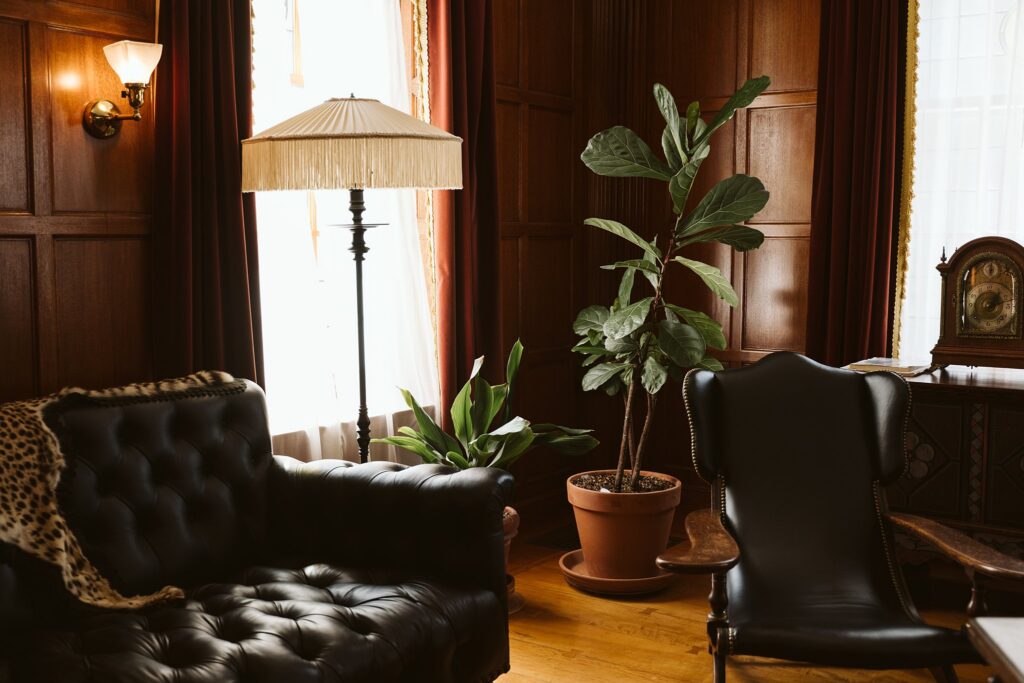
When too much light hits the sensor, the highlights blow out and the details are lost. Even if you are aiming for a bright, light and airy image, it is still important to watch your exposure so you do not lose the quiet details that hold the frame together.
P — Prime Lens
A lens with a fixed focal length that does not zoom. It forces you to physically move your feet closer or farther away to capture your shot. There is a nice simplicity to a lens that only does one specific job.

Q — Quick Focus
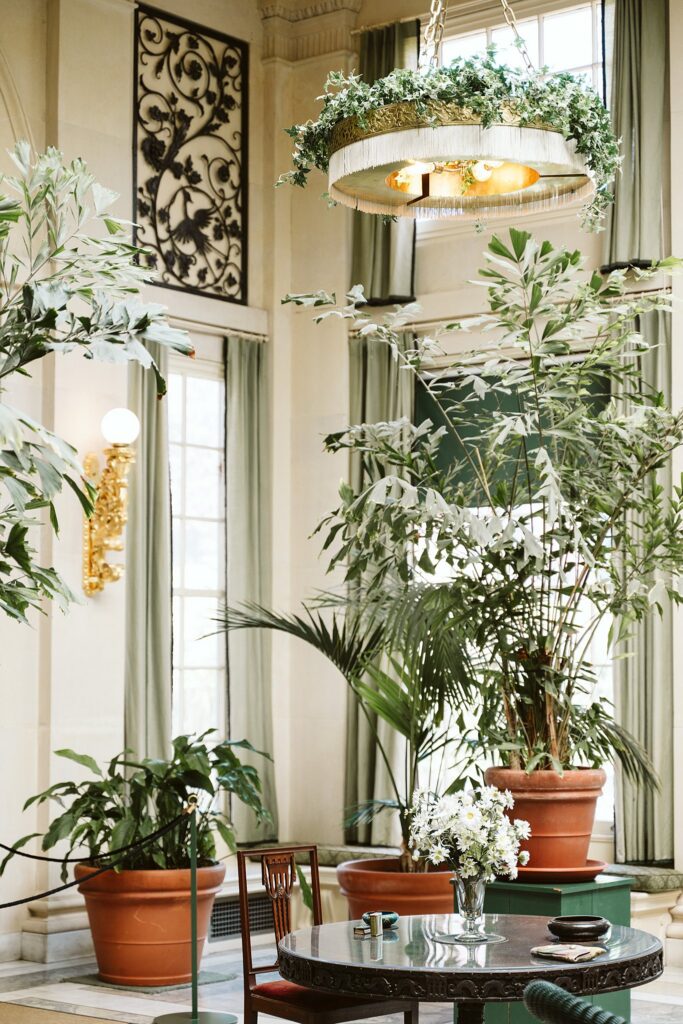
The speed of modern autofocus systems. Being able to instantly lock onto a moving subject is incredibly helpful, letting you catch a genuine, split-second moment before it passes by.
R — RAW
The digital equivalent of a film negative. The file looks flat and unedited when you first open it on your computer, but it preserves all the data the sensor captured, giving you the most flexibility available to be create with your edits.
S — Shutter Speed
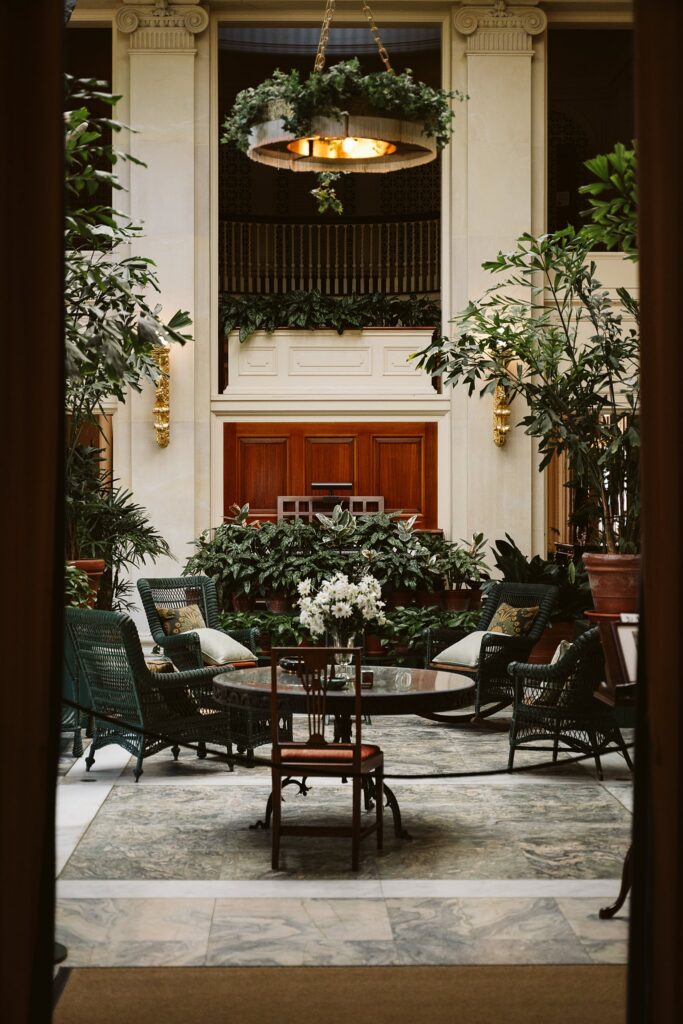
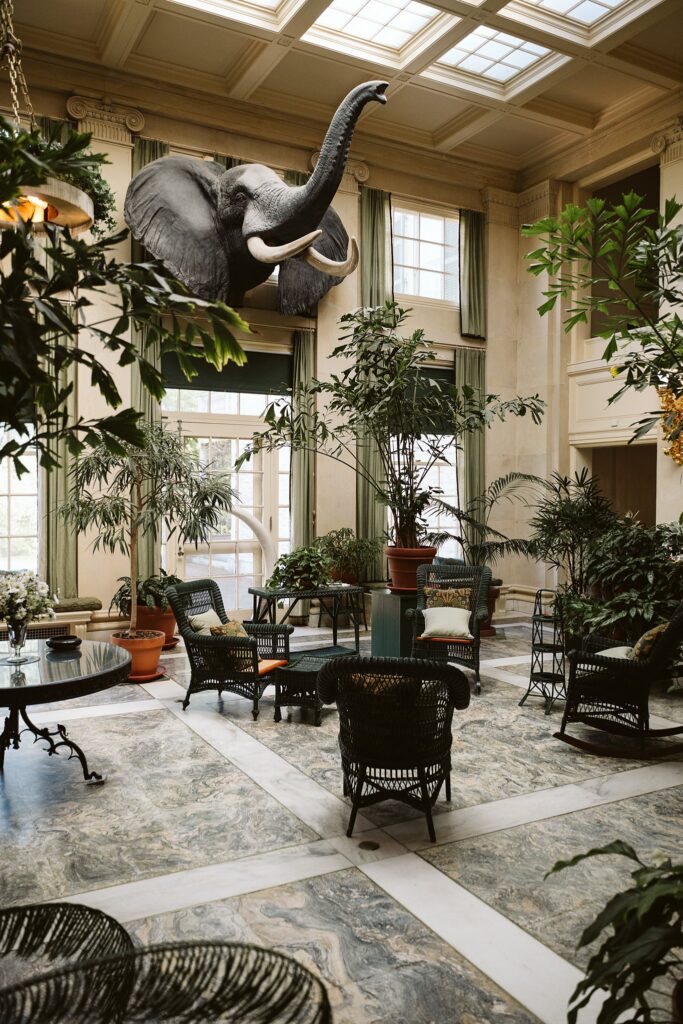
How long the camera’s shutter stays open to let light in. A fast shutter speed freezes a quick movement instantly, while a slower shutter speed lets motion blur across the frame to show movement.
T — Telephoto Lens
A long lens that pulls distant subjects in close. It is a practical tool for times when you need to capture a clean shot from far away without getting in the way or interrupting the scene.

U — Underexposure
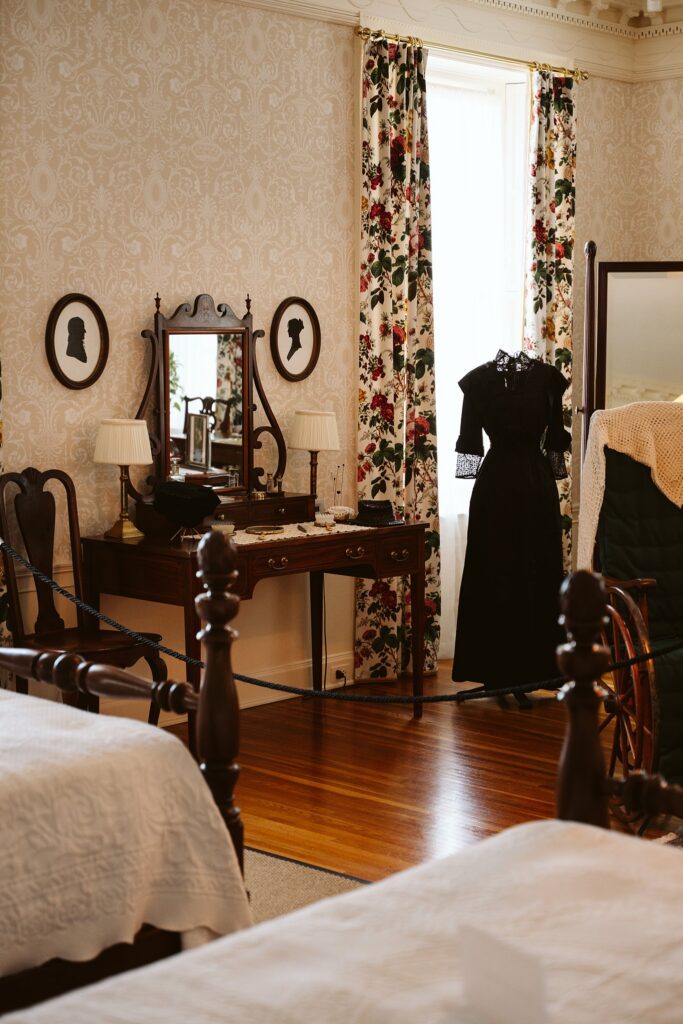
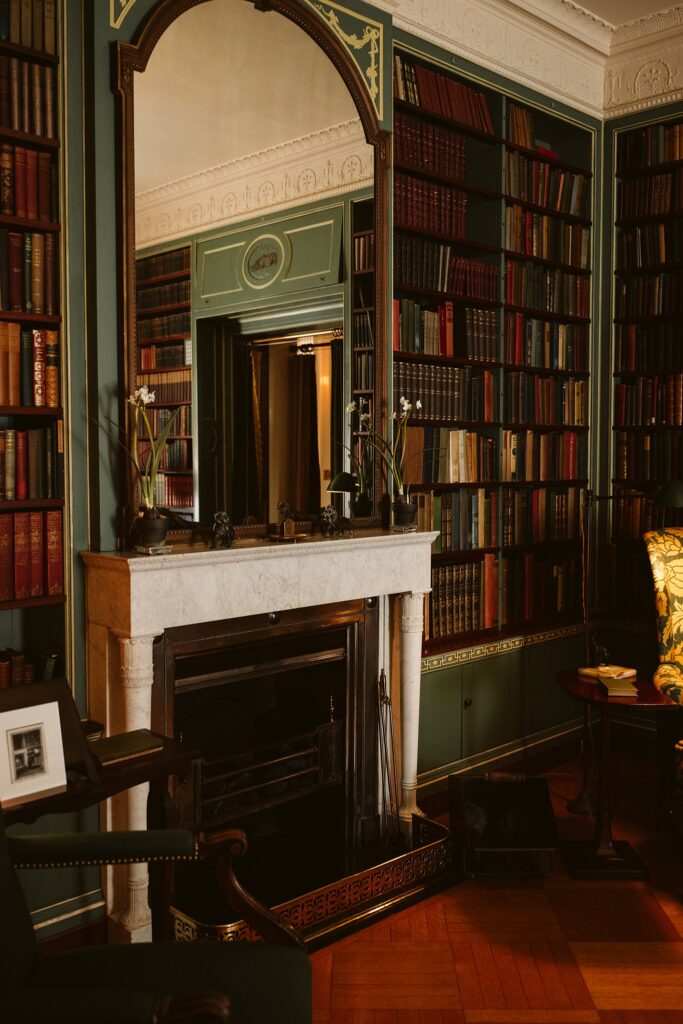
When not enough light hits the sensor, the image will be dark and moody. While you don’t want to lose important details to the shadows by accident, sometimes keeping an image a little darker lets the shadows tell a better story.
V — Viewfinder
The little window you look through to compose your photograph. For me, pressing my eye to the viewfinder is the moment where the rest of the room goes quiet, and I can focus entirely on what is happening inside the frame.
W — White Balance
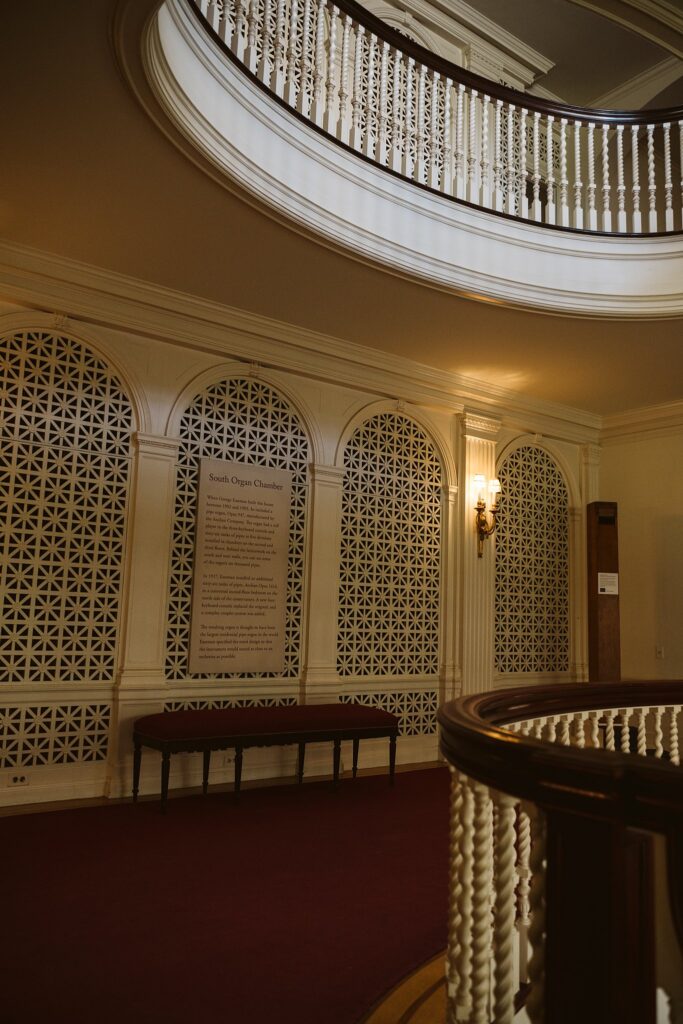
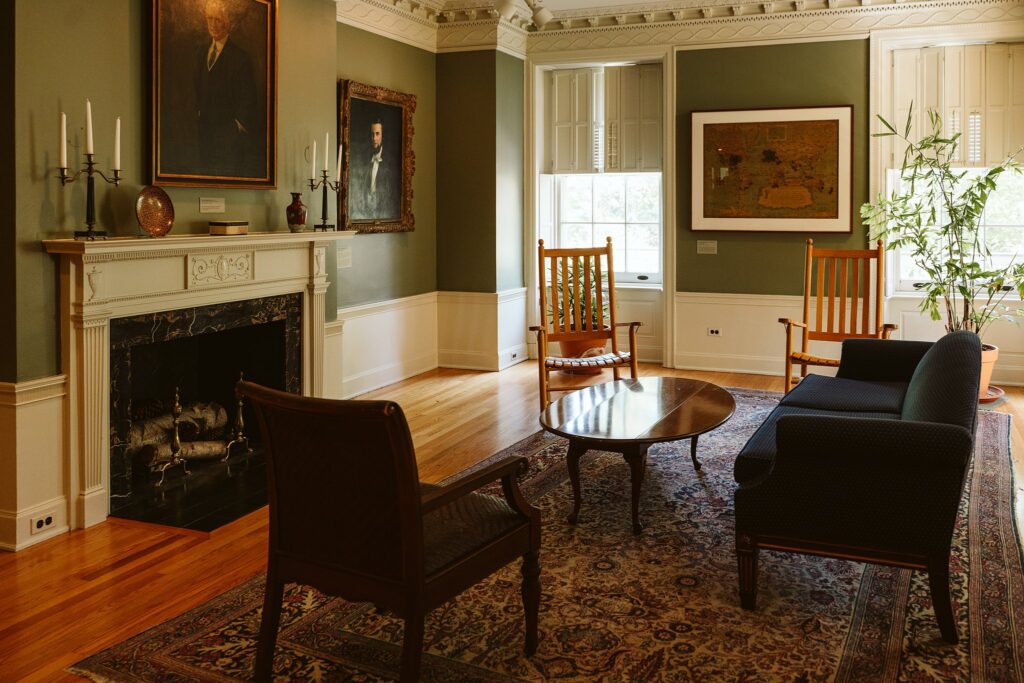
Adjusting the camera so the colors match the actual light of the scene. It ensures that a white dress looks white whether you are shooting in indoor light or the cool blue shade of blue hour.
X — X-Sync Speed
The fastest shutter speed your camera can use while still working properly with an external flash. It is a technical setting, getting it right ensures your flash and your shutter are perfectly timed together. If your timing is off, you will end up with a black bar across your image from the shutter curtain.
Y — Yellow Filter
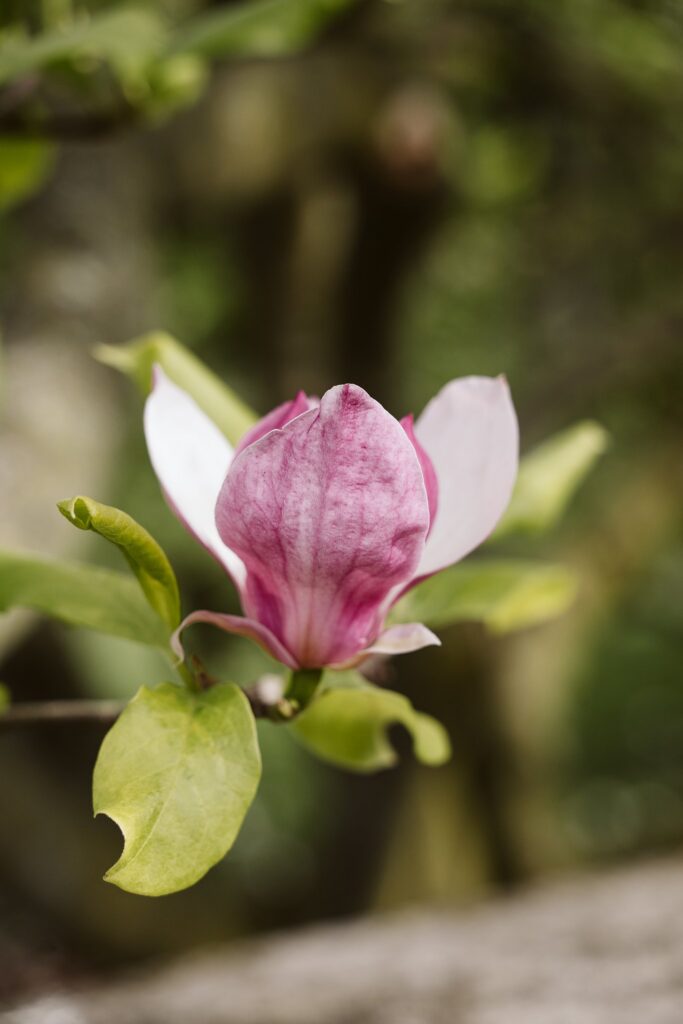
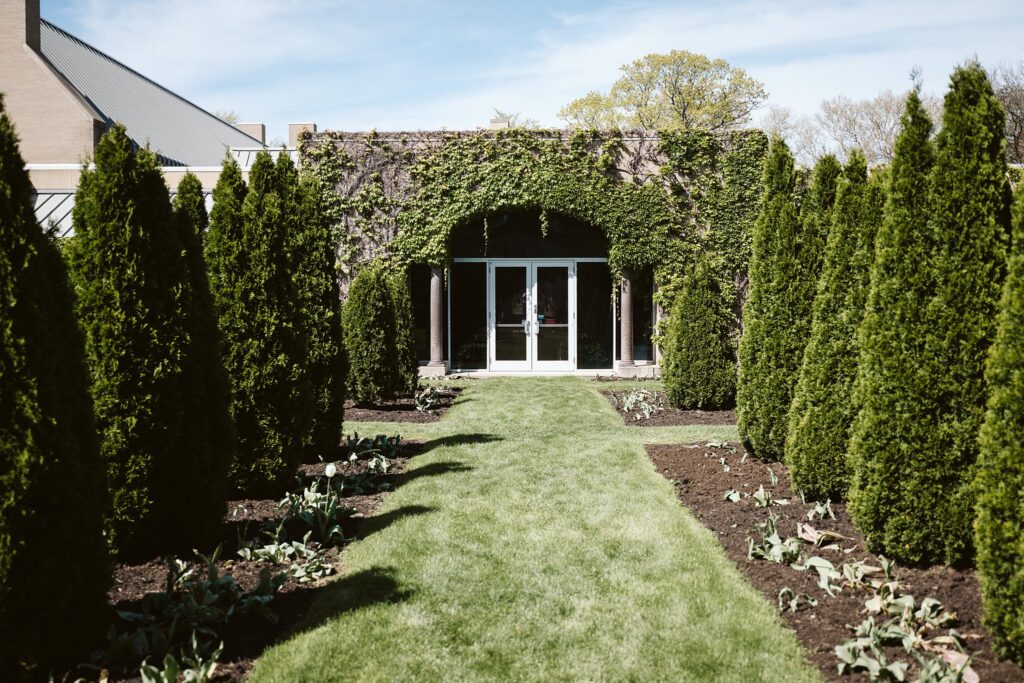
A traditional glass filter used for black-and-white photography. It darkens blue skies to make white clouds stand out, which is a great reminder of how changing your contrast can completely change the look of an image.
Z — Zoom Lens
A lens that lets you change your focal length with a quick twist. It is a highly convenient tool for changing your frame quickly, though I still try to walk closer and step right into the story.
In conclusion
Looking back, it’s clear to see that National Geographic magazines set a fire in me that the darkroom turned into a craft. Whether you are holding a smartphone or a medium-format camera, the goal is always the same: to stop time for a second and document how you saw it and how it made you feel.
Let's tell your story!
If you are looking for a Pittsburgh lifestyle photographer to capture your family, milestone, or business in an honest, natural way, I would love to connect. Get in touch so we can plan a session that authentically documents you.