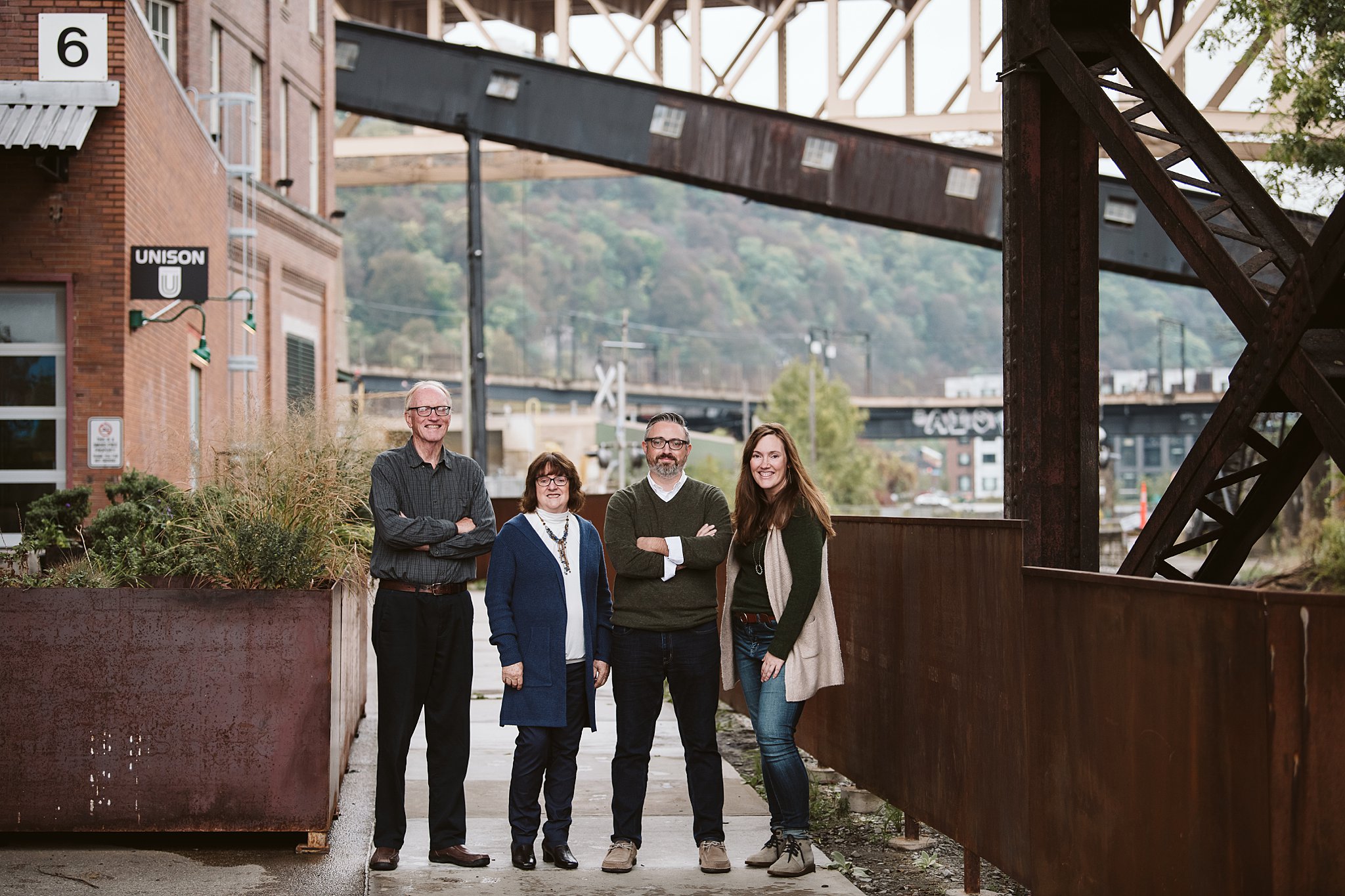
I grew up in a house where the music never stopped. A grand piano filled the living room, a tuba stood prominently in the family room, and evening lessons echoed through the rooms while two music teachers raised a family in the middle of it all.
The irony is that for a time, I couldn’t hear a single note of it.
When I was two, chronic ear infections dulled my hearing, closing off my world before anyone realized what was happening. What little sound reached me was a muffled echo, as if I were trapped underwater. While scales and warm-ups vibrated through the house, I remember standing in the kitchen pointing at the cookie cabinet, waiting for someone to notice what I had no words to ask for. To bridge the gap, my brother and I invented our own sign language so I could ask for “milk” or let them know I wanted it “now.” Because I couldn’t rely on sound, I became an observer, studying faces, gestures, and all the hidden details that often go unnoticed.
A House Full of Music
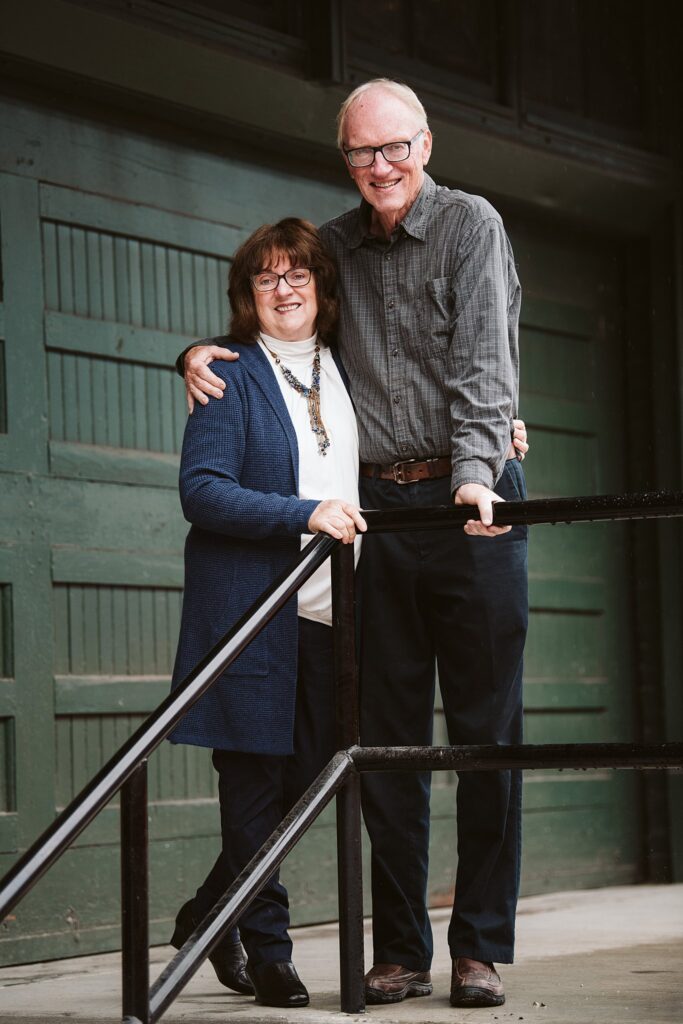
My parents taught music in local schools and gave private lessons from our home. Music wasn’t something we went somewhere to experience. It was part of everyday life. My dad directed the high school marching band. I can still picture him spending evenings mapping out halftime formations on graph paper, carefully charting every step.
My brother, Alan, inherited their musical talent. He plays guitar, violin, bass, and plenty of other instruments. He sings, too, and I still love going to hear him perform.
I had my share of musical training, from private lessons with my parents, to band, orchestra, and choir. I learned the notes and sang the parts, yet I never felt like I was speaking my native language. While everyone else was lost in the melody, my eyes wandered to everything happening around the music: the way the stage lights hit a performer’s face, the nervous shift of a musician’s shoulders before a solo, the quiet connection between people in their seats.
The Remarkable Soloist
A favorite childhood memory happened at a Friday night football game.
My mom, brother, and I sat in the bleachers every home game while my dad was overseeing the marching band. After one halftime show, an outgoing tuba player named William turned his horn and played a tune just for us. He made us laugh. I remember thinking he was the coolest person in the stadium.
Nobody planned it, and nobody took a picture, though I wish I had one. It’s funny how a little moment like that can stay with you. Maybe that’s part of why I love photography. You never know what interaction could become a favorite memory.
More From the Blog
Finding My Own Instrument
Eventually, I picked up a camera. And something clicked.
After years immersed in music, I found another way to express myself. I was drawn to composing photographs, the way people moved through a space, and how light could transform an ordinary scene.
I think that’s where it started. In that quiet, I learned to watch for the small things: the expression before the words, a gesture that means now. Photography provided a way to capture those moments, not just notice them. It was a skill that eventually led to winning 1st place for Hidden Details in the Click’s Voice competition, a full-circle moment for the kid who once had to rely on her eyes.
I see a connection to my dad mapping out formations for the marching band. He arranged people and movement across a football field. I was doing something similar inside a camera.
Still Listening
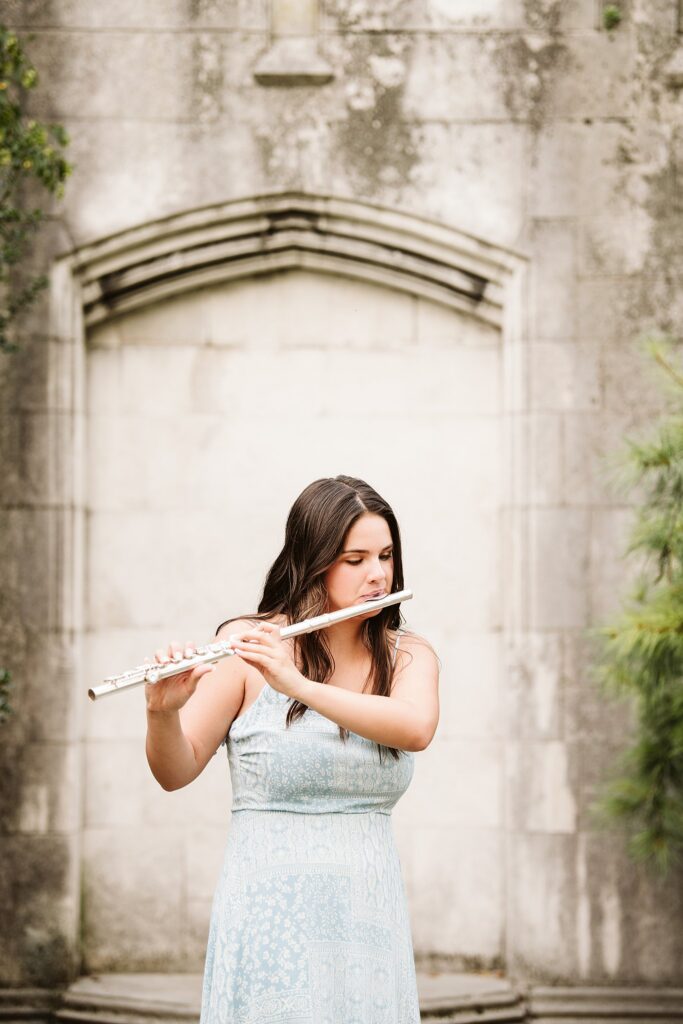
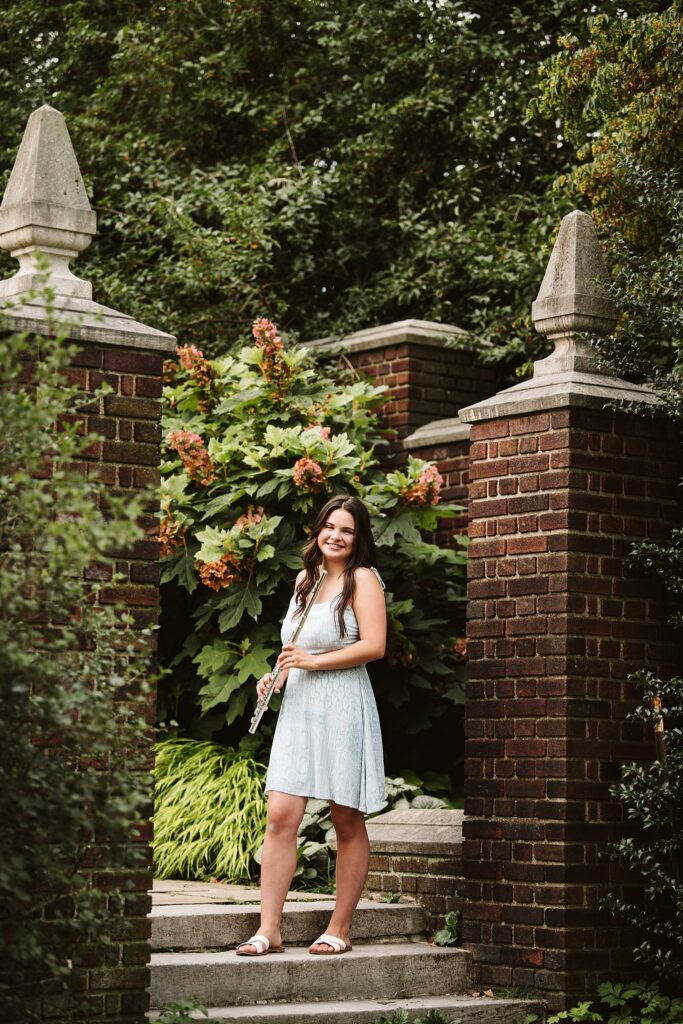
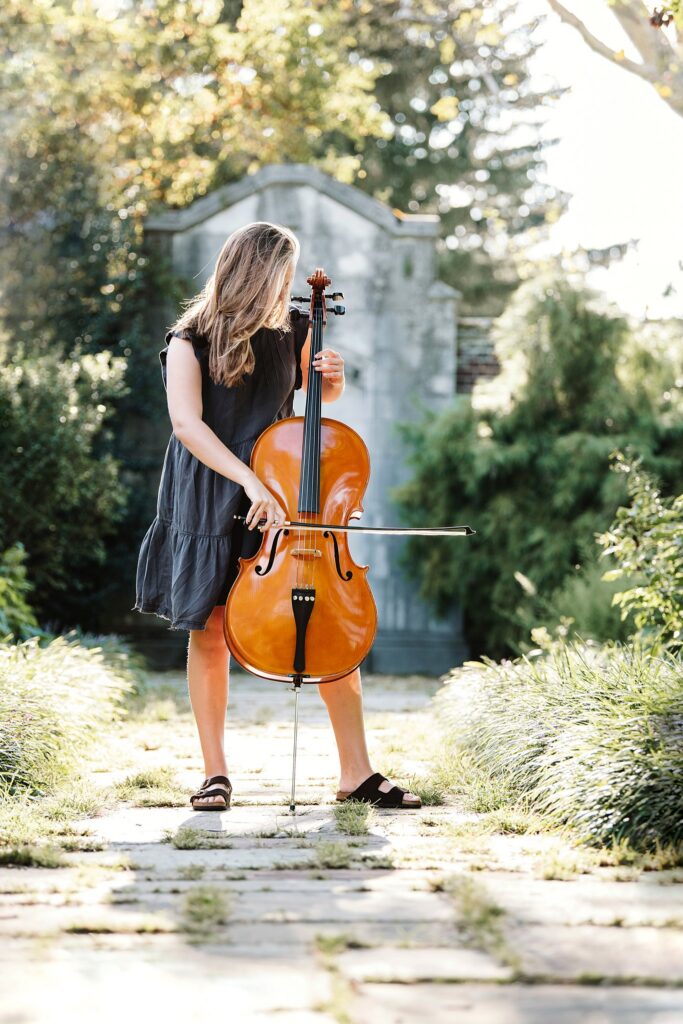
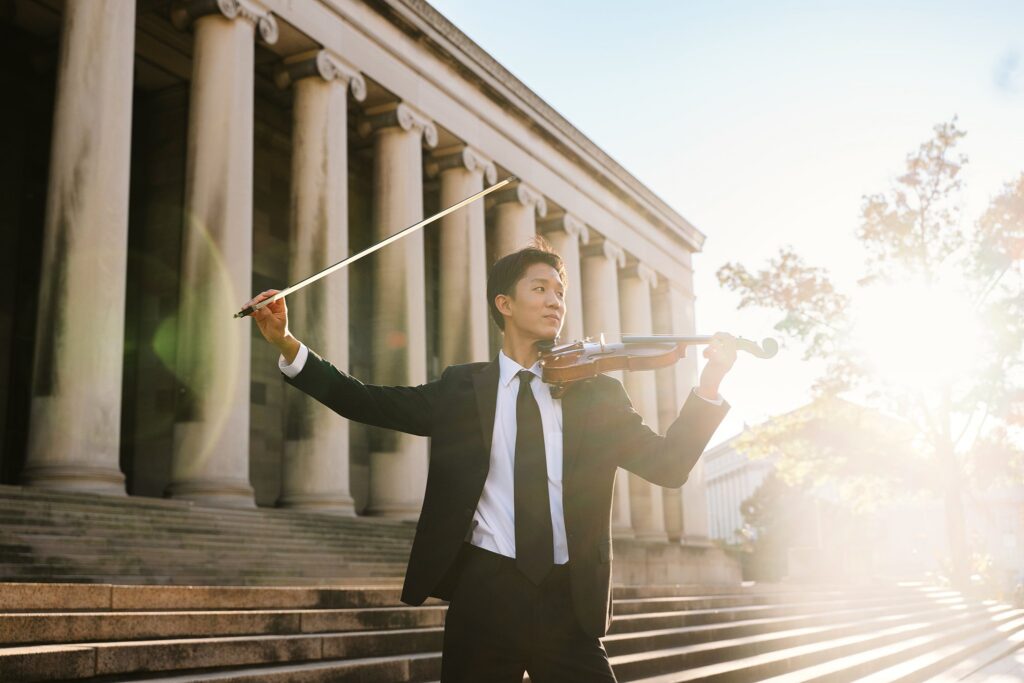
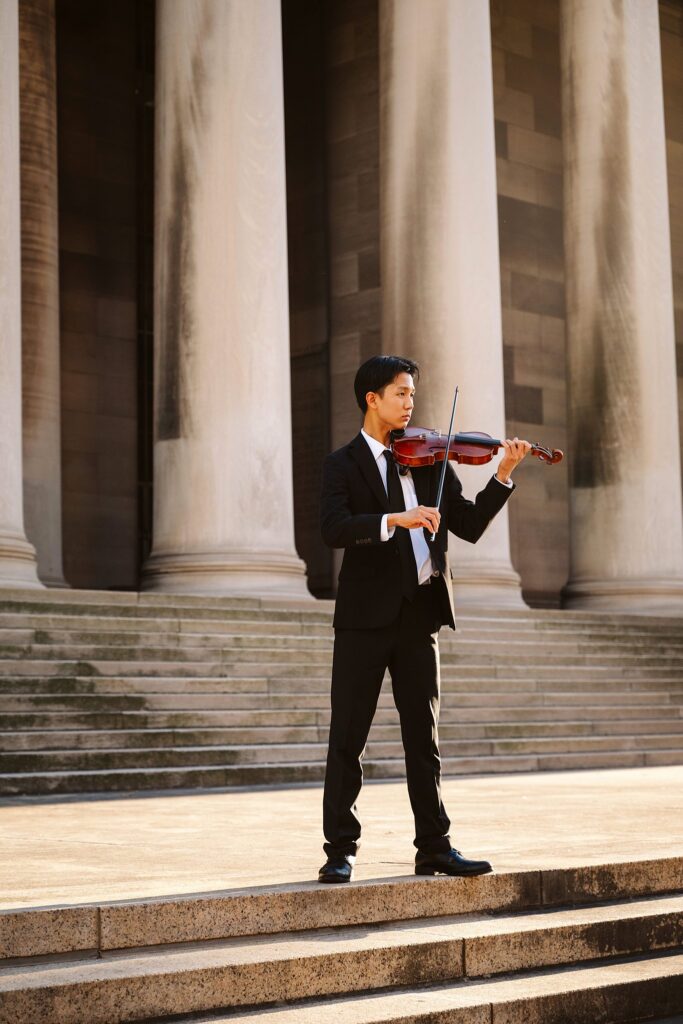
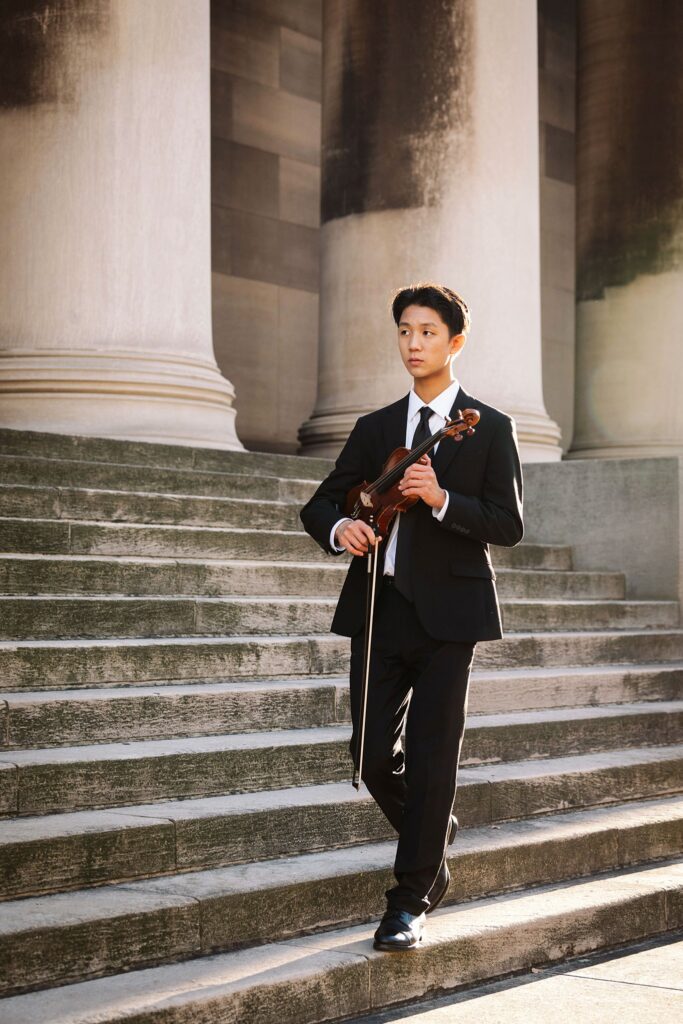
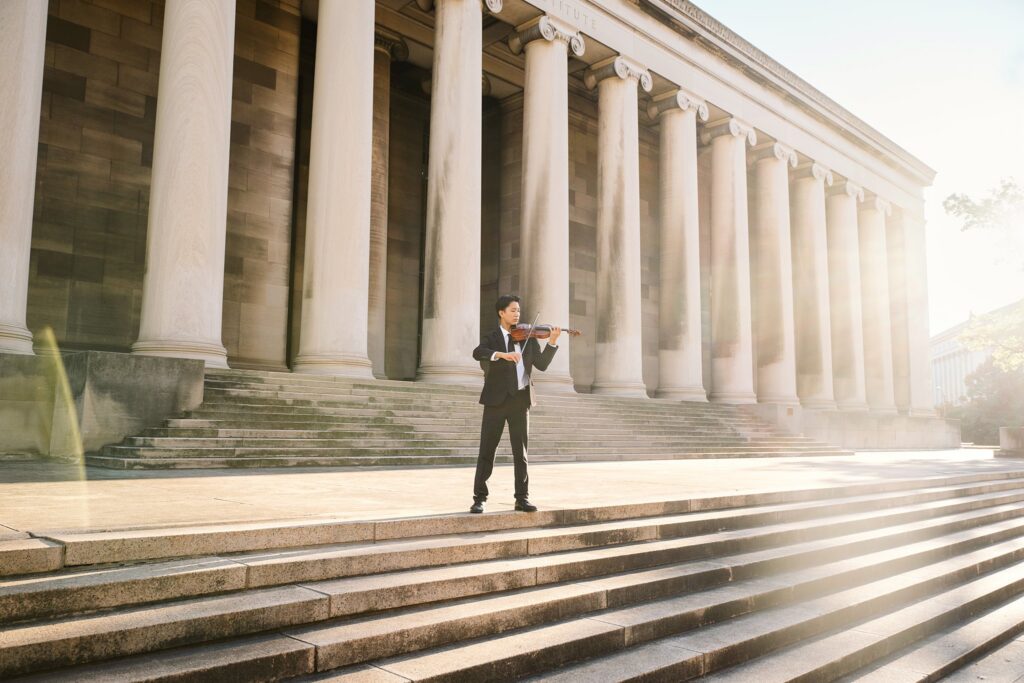
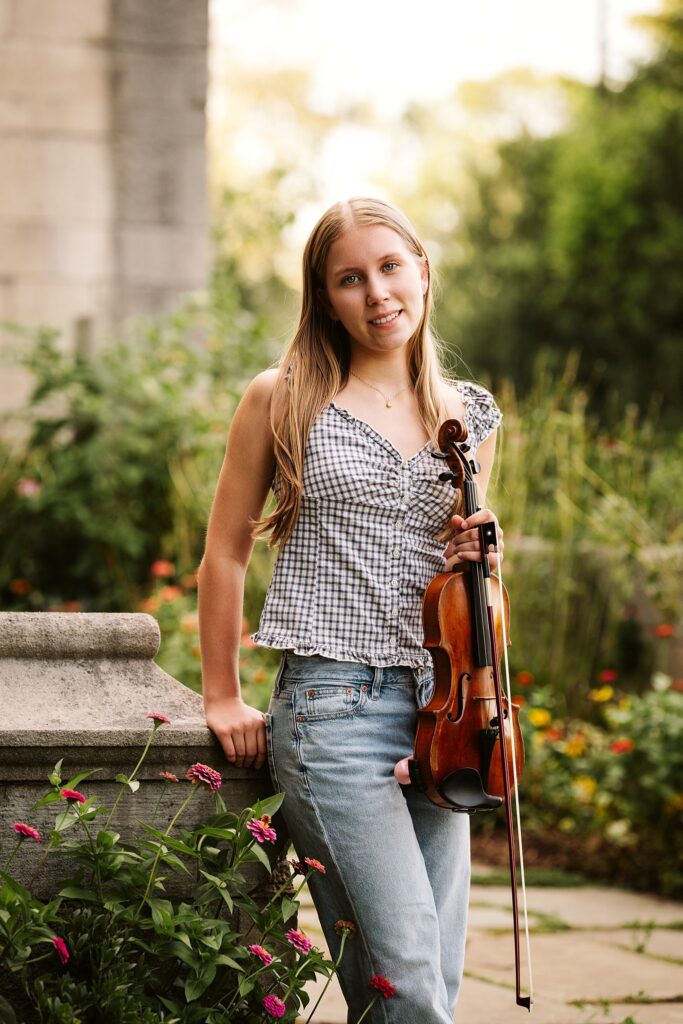
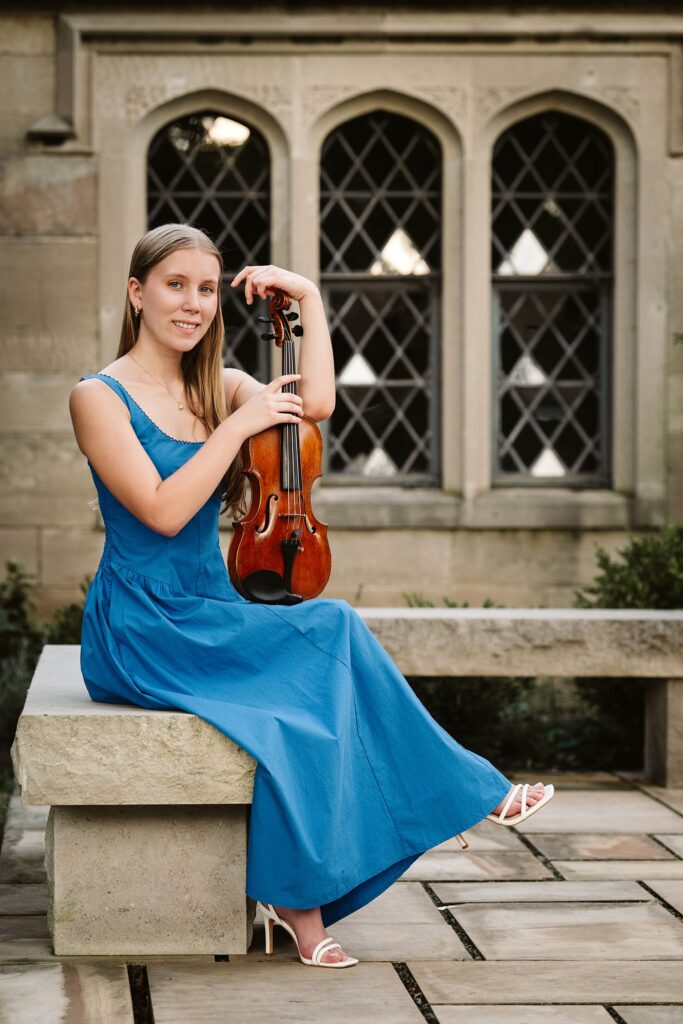
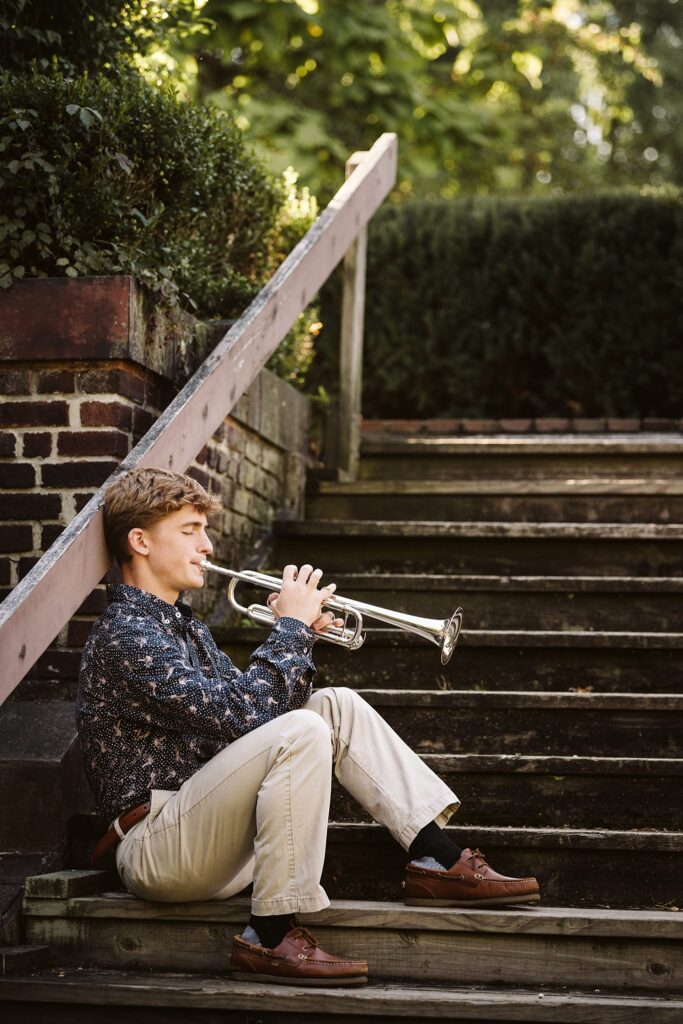
Today, music is still part of everyday life. I love hearing my family play, I usually have music on while I’m editing, and I’m drawn to photographing musicians, especially in the moments when they get so absorbed in playing that they seem to forget anyone else is there. That kind of focus speaks to me.
My parents gave me a childhood filled with music. My brother gave me someone to share it with. And somewhere along the way, I discovered that I was more interested in what I could see and feel than what I could hear. Maybe that’s because for a while, seeing was how I listened. I traded sheet music for a camera, but I never left that music behind.
Once, I stood in a kitchen pointing at a cabinet, inventing a language just to ask for milk. Now I get to tell stories without words.
I think I just found my own way to listen.
Let’s Make Something Together
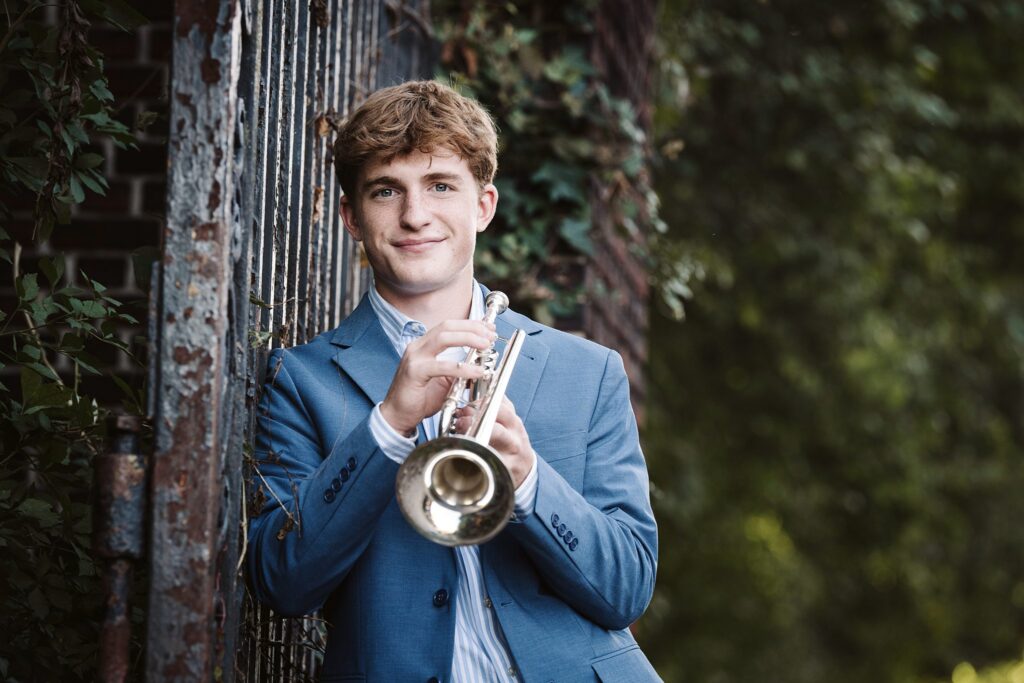
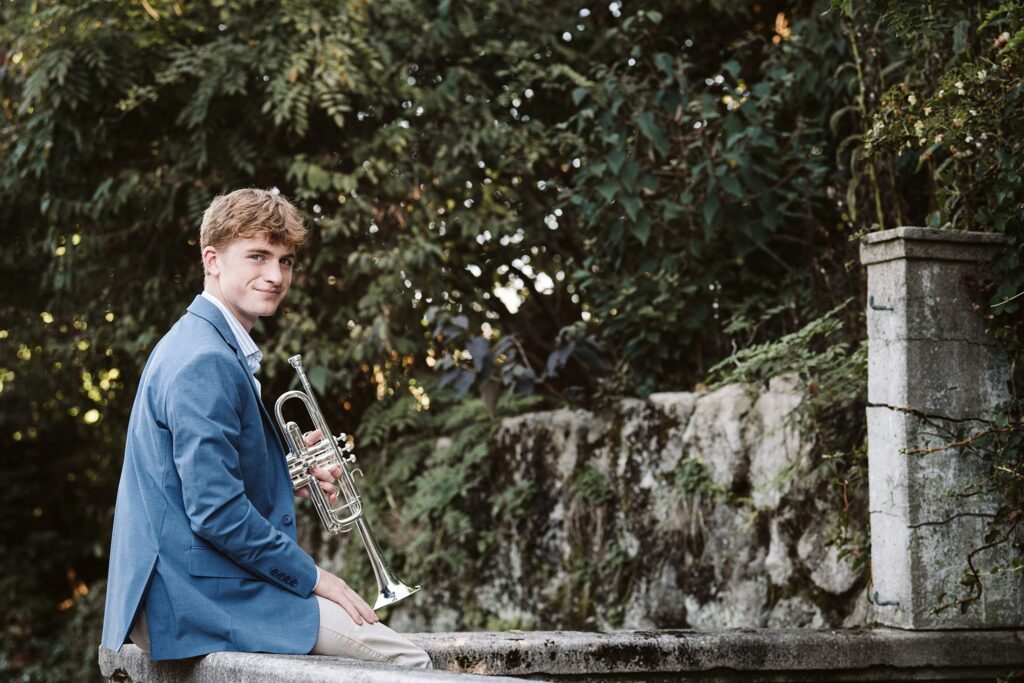
Those years of paying close attention are what I bring to every session. I’m not interested in stiff poses or perfectly rehearsed smiles. I’d rather watch for the moment you forget the camera is there, whether you’re mid-song, laughing with your family, or just being yourself.
Let’s start with a conversation about what matters to you, then choose a location that feels like you, whether that’s a favorite Pittsburgh park, a concert hall, or your living room. I’ll guide you gently and leave plenty of room for the unplanned moments.
If you play an instrument, bring it. Musicians tend to feel right at home in front of my camera once they start doing what they love.
I’d love to hear your story.