
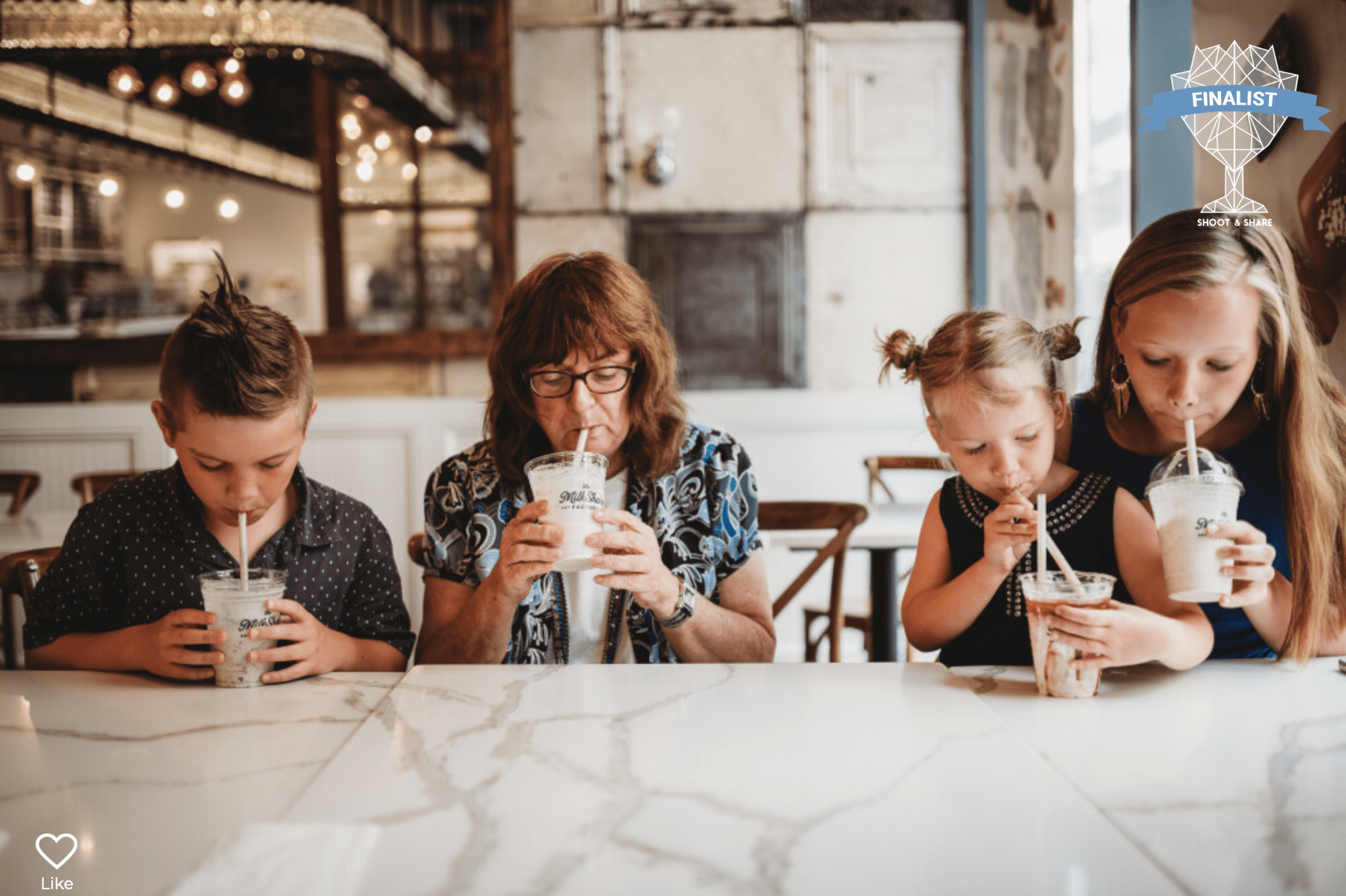
A photograph can show us what something looked like, but storytelling photography goes a step further. It gives us clues about who was there, where they were, what was happening, and why the moment mattered.
Rather than focusing on one perfect image, storytelling photography uses people, places, details, relationships, and moments to create a fuller picture of an experience. The result is often a collection of photographs that feel connected and give the viewer a sense of the story behind them.
Whether you’re photographing a family, a senior, a newborn, a wedding, a personal project, or everyday life, the same basic ideas can help you create photographs that feel more meaningful.
Start With the Character
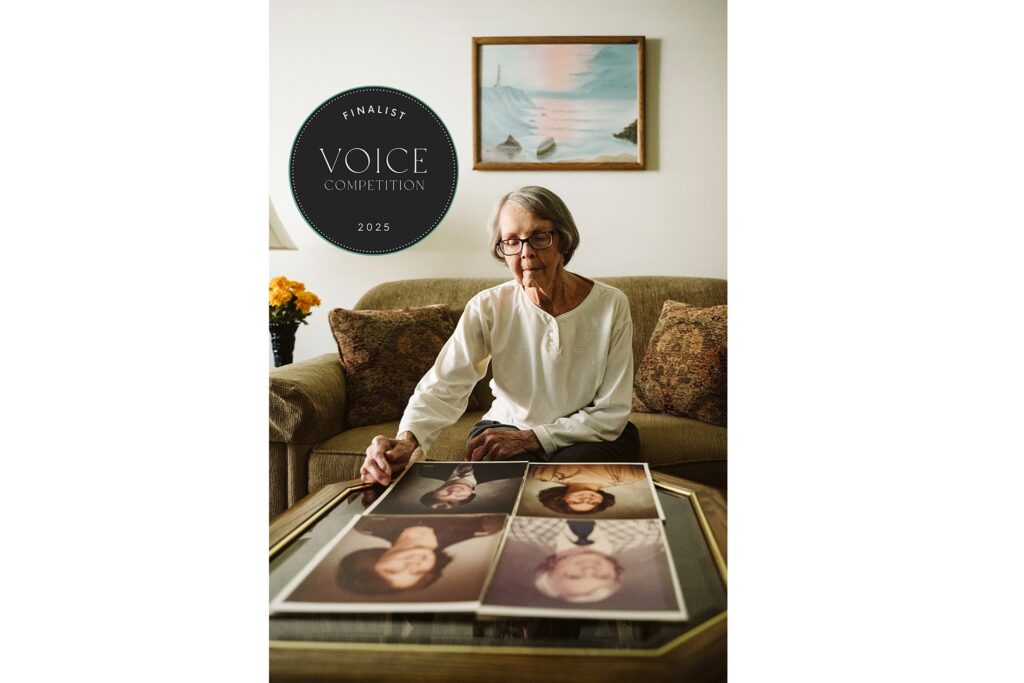
We can agree that every story has a character. But what if we think of a portrait as having a character, too?
Instead of capturing simply what someone looks like, consider what makes them unique: their personality, interests, relationships, routines, and the things that matter to them. These details bring meaning and depth to your photographs, helping you create portraits that document more about the person than appearance alone.
For a senior portrait session, that might mean capturing the personality and interests of someone preparing for a new chapter. For a family, it might mean showing the different personalities within the family and the way they interact with one another. The goal isn’t simply to create a flattering portrait. It’s to create photographs that give you a sense of the person.
Let the Setting Become Part of the Story
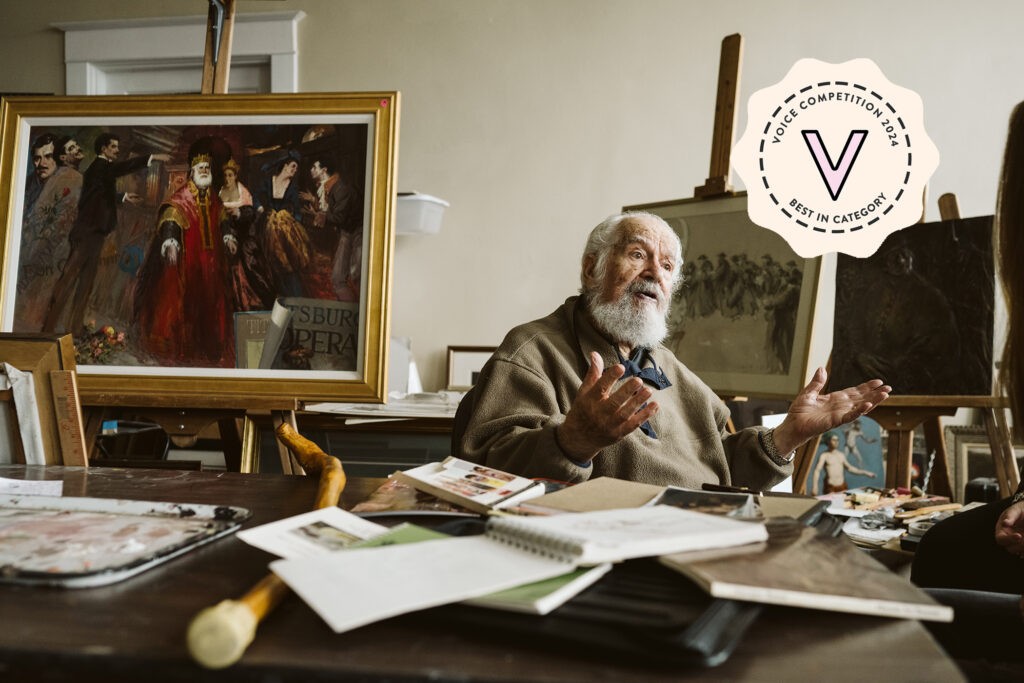
Where a photograph takes place can tell us a great deal about the people in it. A favorite neighborhood, family home, garden, city street, school campus, or open field can give us a glimpse into their world.
Think about why a location matters. Is it somewhere the family spends time together? Does it reflect a senior’s personality? Is it connected to someone’s work or interests? Does the architecture or landscape add something to the image?
A meaningful setting gives a photograph more context. It helps us understand something about the person, the place, and the moment.
Photograph Connection
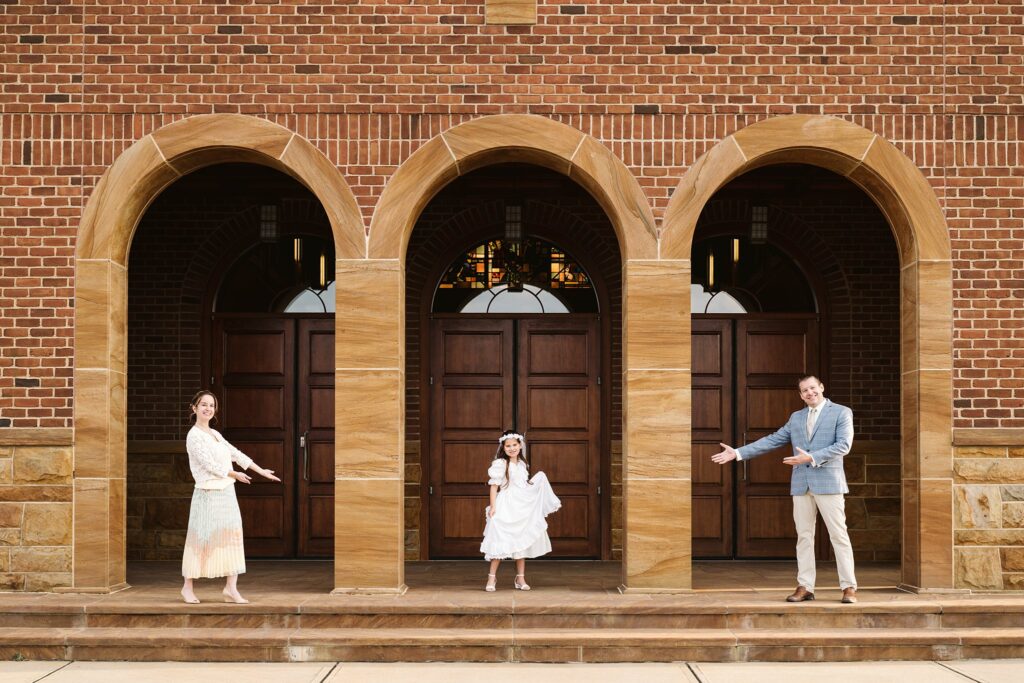
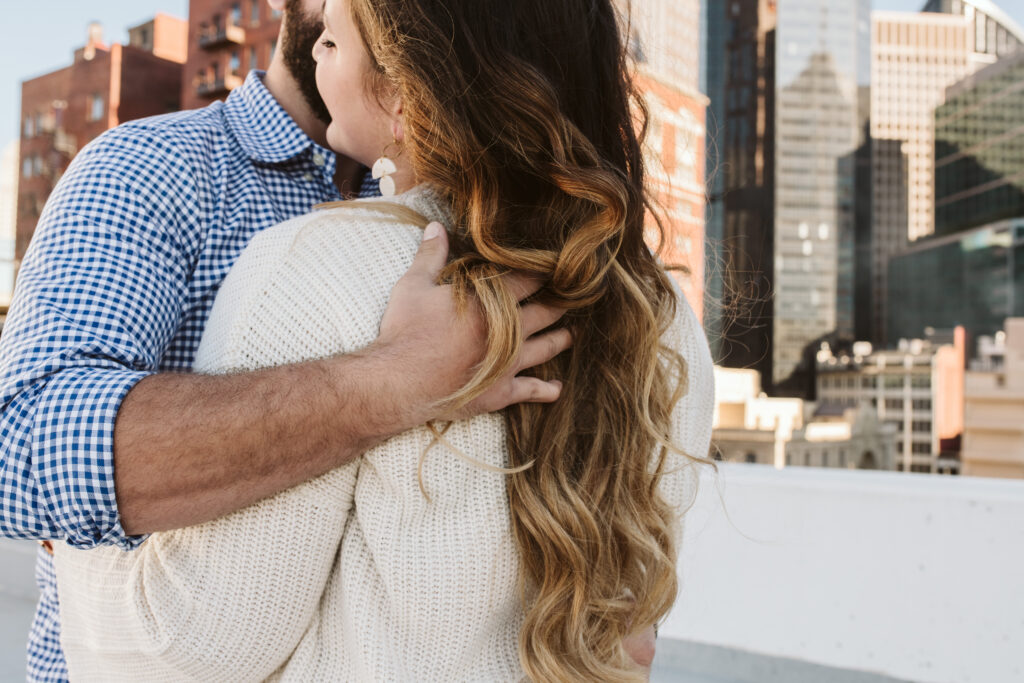
Relationships add a powerful element in storytelling photography. A photograph doesn’t need everyone looking at the camera. Sometimes the most revealing image is the one that shows how people relate to each other.
A parent looking at a child. Siblings laughing together. A couple walking hand in hand. A grandparent listening to a story. A friend helping someone get ready. These interactions communicate something that a posed portrait cannot express.
When photographing people together, pay attention to what happens between the moments you’ve planned. The connection is often already there. The photographer simply needs to notice it.
Include Movement
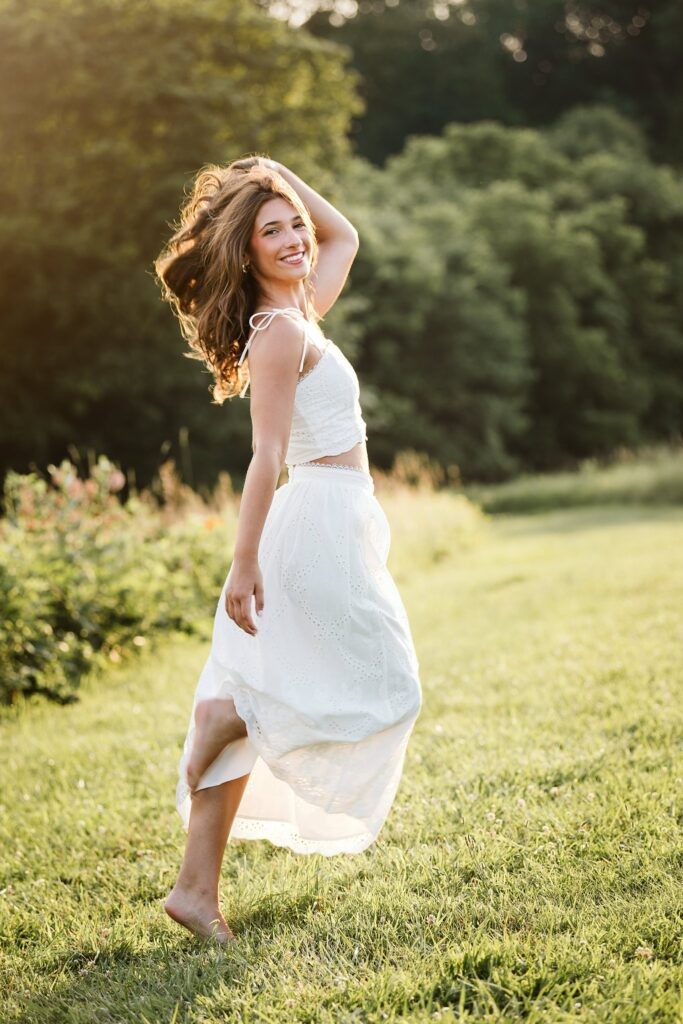
Stories unfold through action. Walking, running, dancing, playing, cooking, creating, exploring, getting ready, or simply moving through a familiar space can create opportunities for natural photographs.
Movement also creates unpredictability, and that unpredictability can lead to photographs that feel more alive. A senior walking through a garden, a child running toward a parent, or a family making dinner together gives the viewer a sense that something is happening rather than simply showing a person standing in front of a camera.
Notice the Details
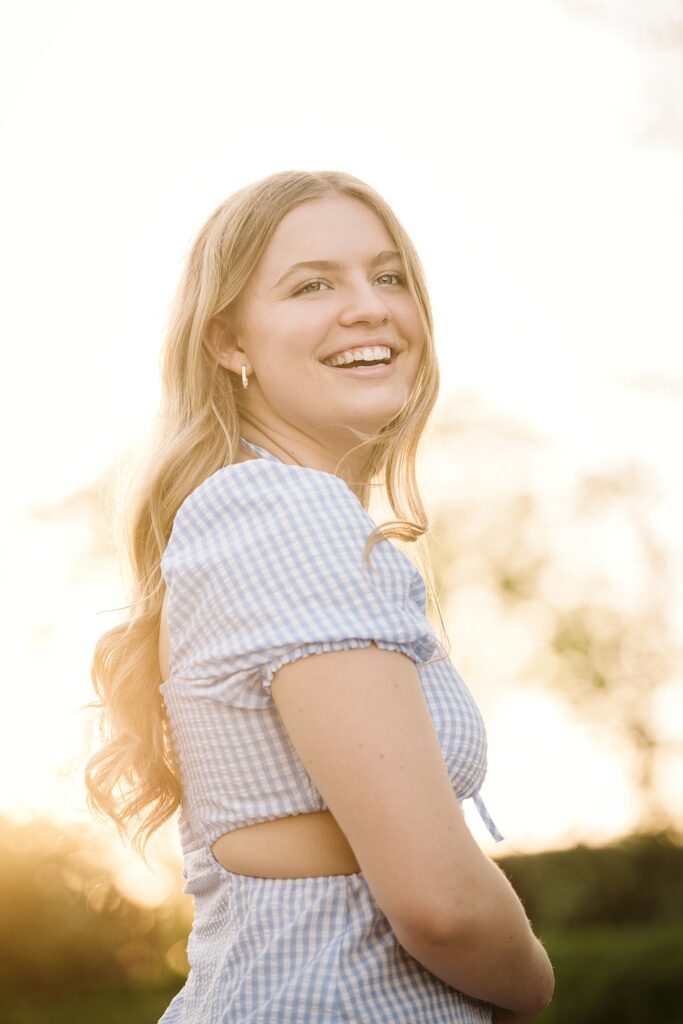
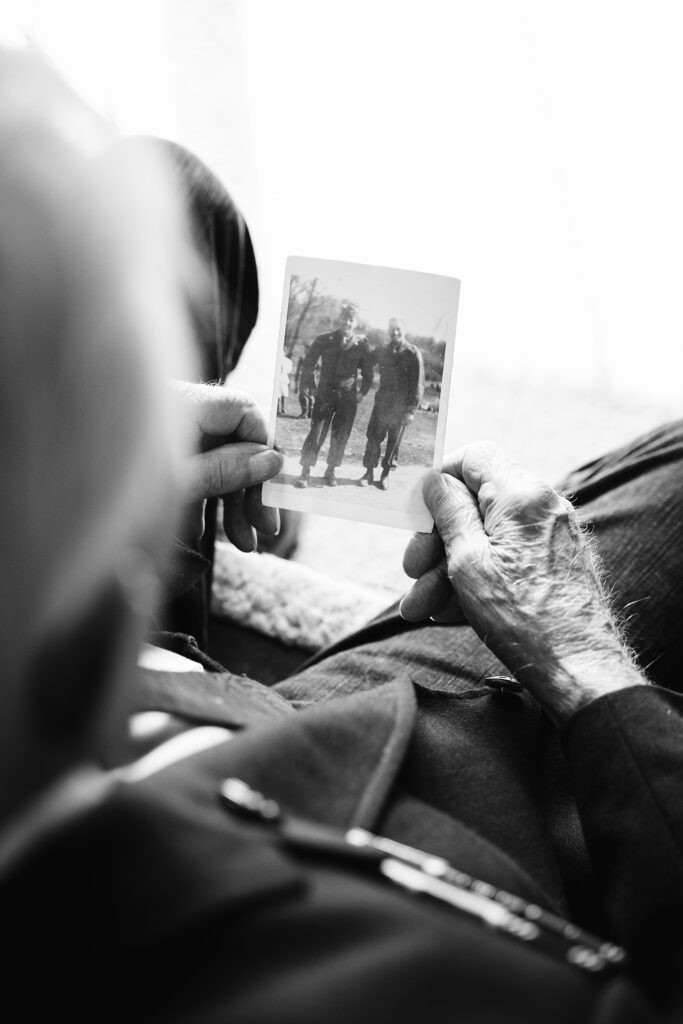
Details give a story texture. A child’s favorite toy, a pair of well-worn shoes, a senior’s jewelry, paint on an artist’s hands, a family recipe on the kitchen counter, flowers growing in a backyard, or the architecture of a favorite building can all tell us something about a person or place.
These details may seem insignificant on their own, but together they help describe a particular season of life. They can also bring variety to a collection of photographs, giving the viewer something to notice beyond the main subject.
Years later, a small detail can sometimes be what brings an entire memory back.
Look for Emotion
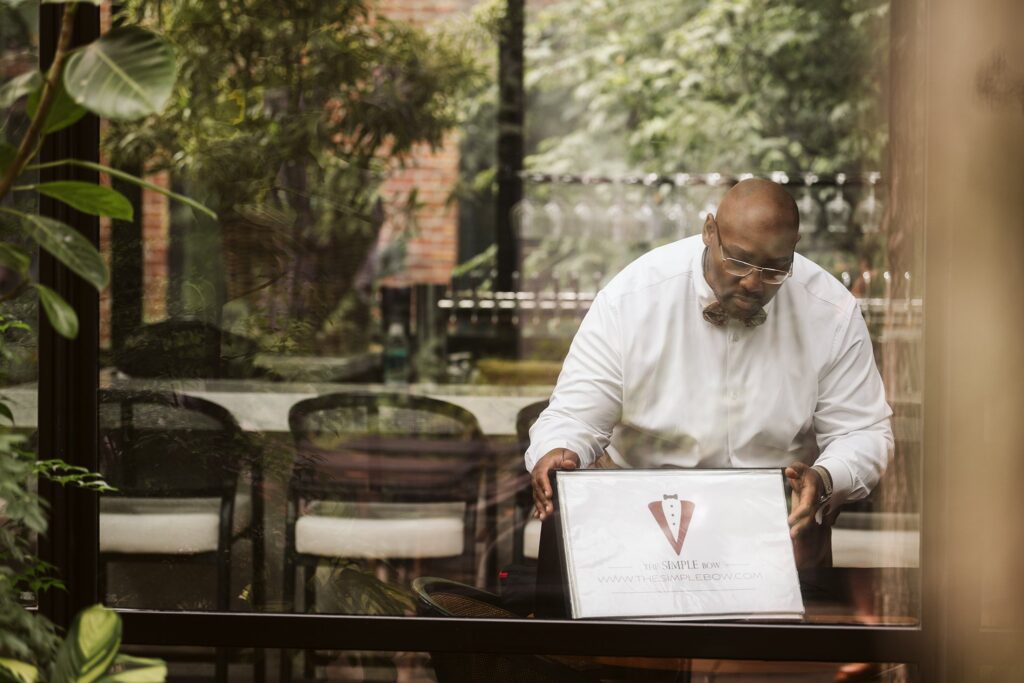
Emotion in photography is about more than smiling. Anticipation, concentration, tenderness, excitement, nervousness, curiosity, silliness, and quiet contentment all tell part of a story.
Sometimes emotion is obvious. Other times, it appears in a small gesture or expression that lasts only a moment. Pay attention to what happens naturally. A genuine reaction communicates more than a carefully crafted expression.
Leave Space for the Unexpected
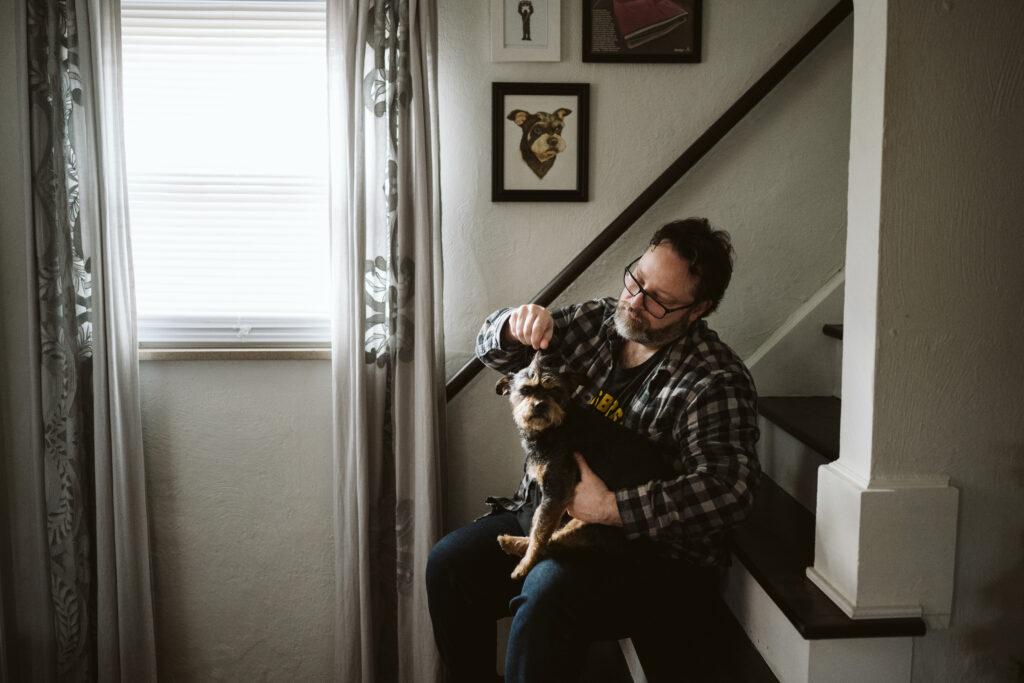
Not every meaningful photograph can be planned. The wind might suddenly change. A child might run in an unexpected direction. Someone might make everyone laugh. A dog might interrupt the scene. A patch of beautiful light might appear for only a few seconds.
These moments can be some of the most memorable photographs because they weren’t manufactured. Planning gives a session structure, but leaving room for spontaneity allows the story to unfold. Sometimes the photograph you never planned becomes the one that means the most.
Think in Storylines
Storytelling photography becomes powerful when several photographs work together. Imagine a senior session beginning with a wide photograph that establishes the location. A portrait introduces the senior. A closer photograph captures a detail of her outfit. Another shows her walking through the setting, followed by a candid laugh or a quiet expression.
Each photograph captures a different piece of information. One tells us who. Another tells us where. Another shows what was happening. Another gives us a feeling.
Together, they document a full story.
A series of photographs give us different ways to experience the moment.
Look for the Moment Within the Moment
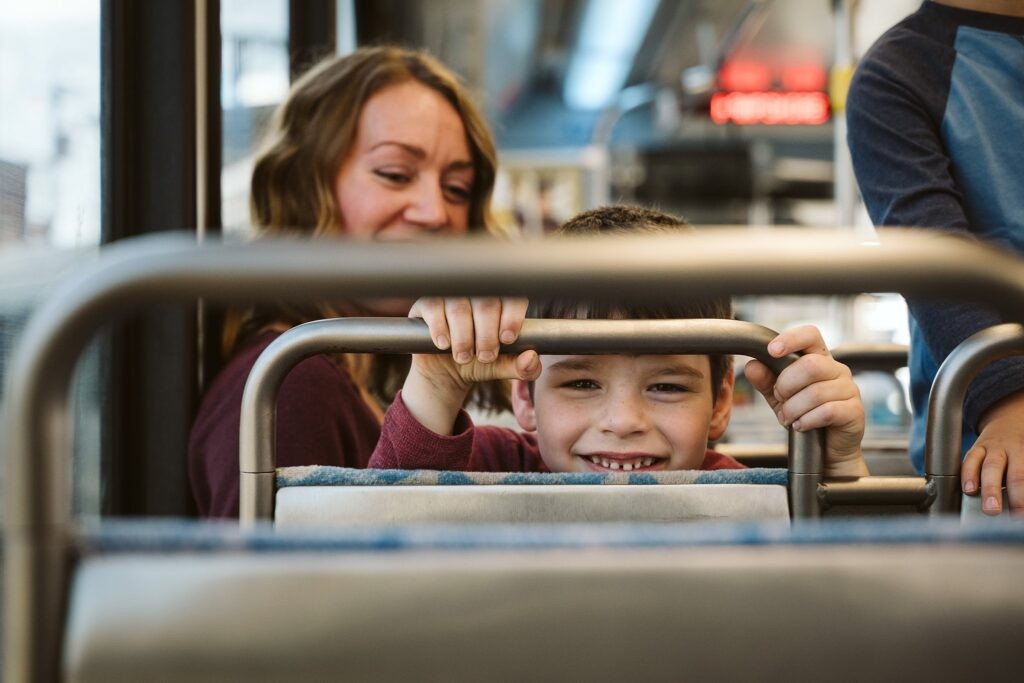
Some of the strongest storytelling photographs happen between the planned moments. The glance after someone makes a joke. A hand reaching toward another person. A child looking back at a parent. Someone taking a breath before stepping into a new experience. A quiet pause after everyone else has moved on.
These moments may not seem important while they’re happening. Years later, they can become the photographs that bring a memory back most vividly.
Of course the big moments matter, but the smaller ones can provide the details that make a story feel real.
Give Context
A strong storytelling photograph doesn’t have to explain everything. Instead, it gives the viewer enough information to imagine the rest.
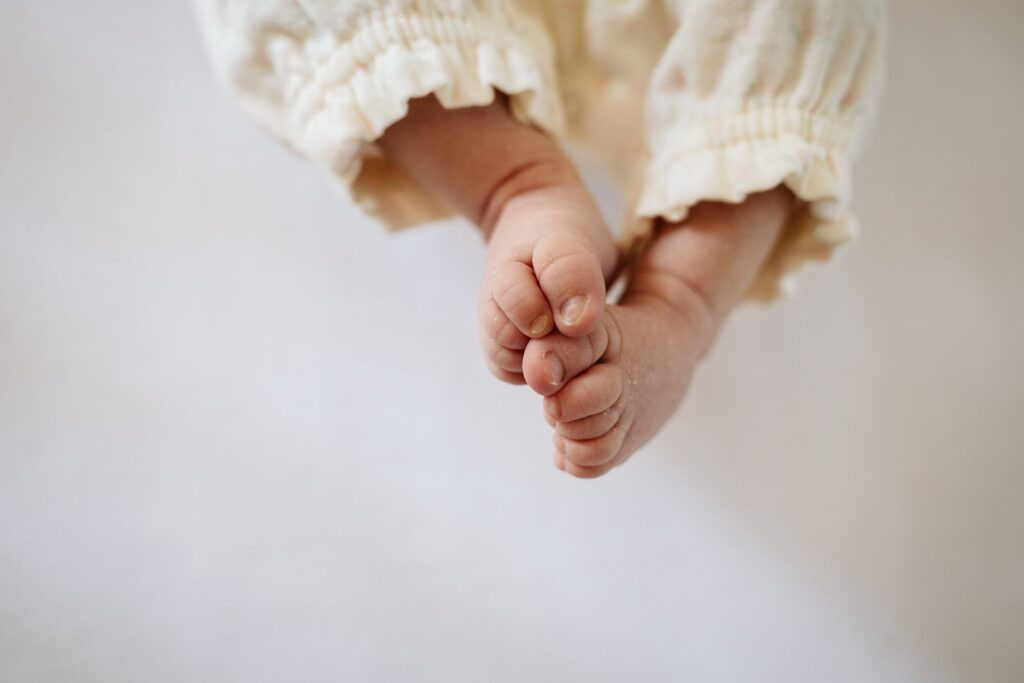
A wide environmental photograph can establish a place. A portrait introduces a person. A detail adds context. A candid moment reveals a relationship. Together, these photographs allow the viewer to begin filling in the story.
When you’re photographing, it can help to ask a few simple questions: Who is this? Where are they? What matters to them? What is happening? How does this moment feel? The answers might be worth photographing.
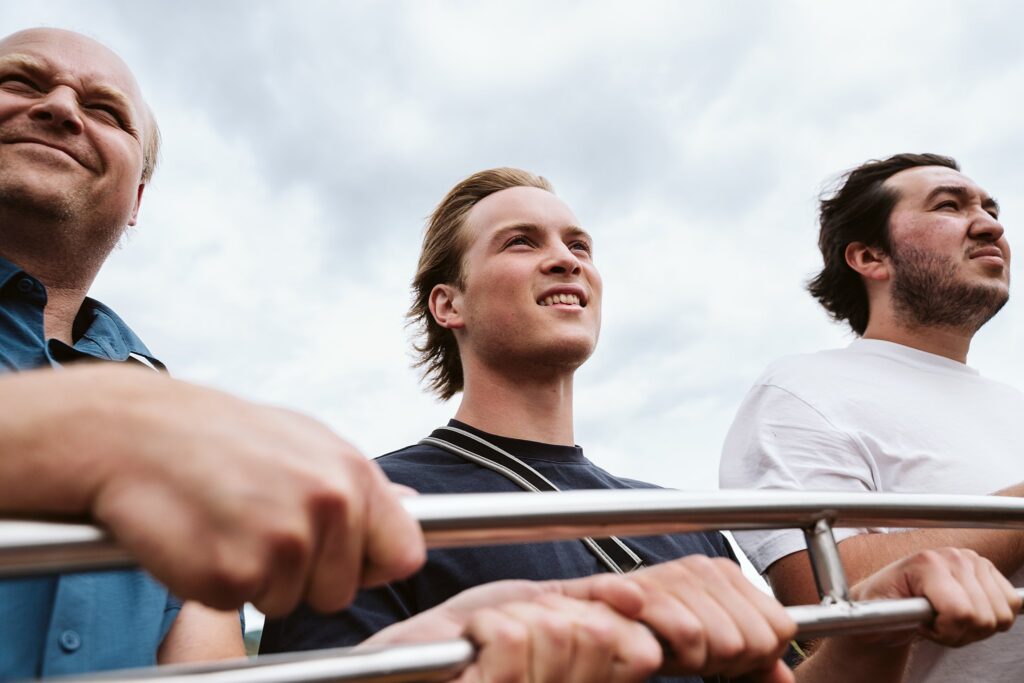
Storytelling Photography Is About More Than Perfect Pictures
Beautiful photographs matter. Good light, thoughtful composition, flattering perspective, and strong technique all contribute to a successful image.
Storytelling photography simply provides space for something more. It asks you to pay attention to the context around the subject and to photograph the relationships, places, details, movement, and quiet moments that help explain why a moment mattered.
Many memorable photographs aren’t perfectly posed or technically impressive. Sometimes they’re the photographs that bring back something you had almost forgotten.
A place. A person. A gesture. A feeling. A moment that lasted only a few seconds.
That’s the power of storytelling photography. It creates images that show what happened, and help you remember the context around it.
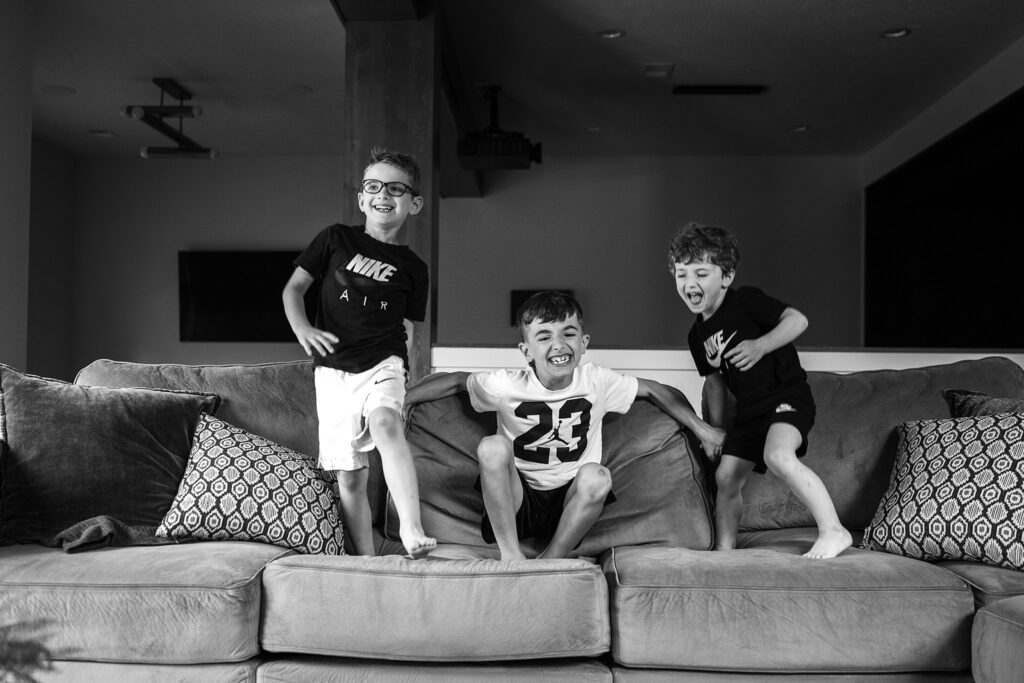
What will you want to remember?
Whether you’re planning senior portraits, documenting your family, welcoming a new baby, or simply marking a season of life, I’d love to help you create photographs that feel like you.